Top 10 Best Places to Visit in Portugal in (2026)
Portugal offers enchanting experiences with its historic cities, stunning coastlines, and rich cultural heritage. From Lisbon's colorful neighborhoods and Porto's renowned wine cellars to the Algarve's golden beaches and Sintra's fairytale palaces, these 10 destinations showcase Portugal's diverse beauty, excellent climate, world-class cuisine, and authentic charm that make it one of Europe's most captivating travel destinations.
Quick List of Top 10 Best Places to Visit in Portugal:
- Lisbon - Historic capital with colorful neighborhoods and vibrant culture
- Porto - Port wine capital and riverside charm
- Algarve - Golden beaches and dramatic coastal cliffs
- Sintra - Fairytale palaces and romantic landscapes
- Madeira - Atlantic island paradise with natural beauty
- Coimbra - Ancient university city and cultural heritage
- Évora - Medieval walled city and Roman ruins
- Douro Valley - Terraced vineyards and river cruises
- Azores - Volcanic islands and outdoor adventures
- Óbidos - Medieval castle town and traditional charm
Planning a trip to Portugal? This comprehensive guide highlights the 10 most spectacular destinations across this beautiful country perfect for unforgettable European experiences. From UNESCO World Heritage sites and world-famous wine regions to pristine Atlantic beaches and charming medieval villages, discover rich history, delicious cuisine, and warm hospitality. Get ready to explore one of Europe's most enchanting countries with perfect year-round weather!
Why Portugal is a Must-Visit Destination in 2026
Portugal stands out as one of Europe's most rewarding travel destinations, combining rich history with modern vibrancy. The country offers exceptional value compared to other Western European destinations, while maintaining high-quality experiences. Year-round pleasant weather, especially along the coast, makes it consistently appealing. Portuguese hospitality is renowned for warmth and authenticity, while the cuisine featuring fresh seafood, pastéis de nata, and world-class wines delights food lovers. From historic cities to pristine beaches and mountainous islands, Portugal's diversity ensures memorable experiences for every type of traveler.
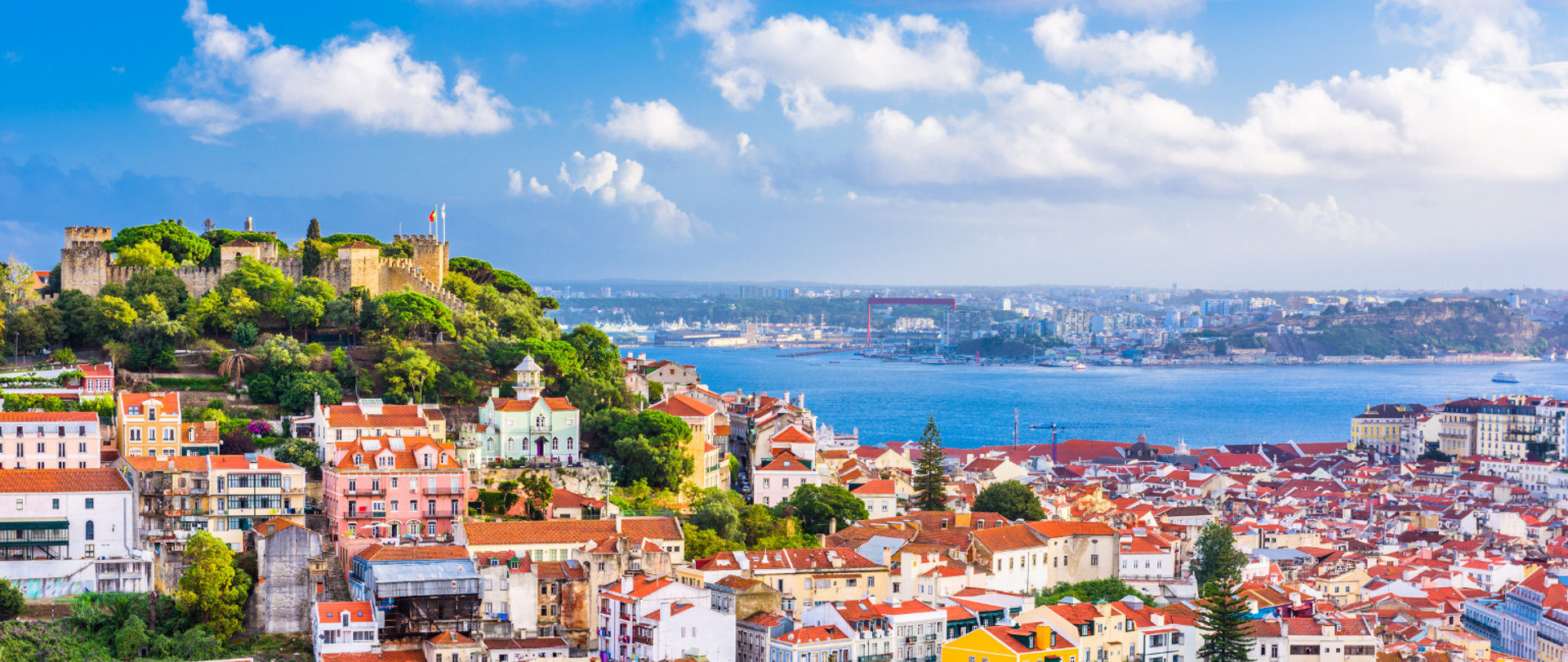
1. Lisbon: Historic Capital with Colorful Neighborhoods and Vibrant Culture
Lisbon, Portugal's captivating capital, offers a perfect blend of historic charm and contemporary energy with its iconic yellow trams, azulejo-tiled buildings, and seven hills providing spectacular viewpoints across the city.
Why Visit Lisbon?
Lisbon provides an authentic European capital experience without overwhelming crowds or prices of other major cities. The city's unique neighborhoods each offer distinct character, from Alfama's medieval lanes to Bairro Alto's vibrant nightlife. World-class museums, historic monuments, and innovative cuisine scene create diverse experiences, while its riverside location adds maritime charm and stunning sunset views.
Top Activities in Lisbon:
- Ride the iconic Tram 28 through historic neighborhoods and steep hills
- Explore medieval Alfama district with its narrow streets and Fado music venues
- Visit Belém Tower and Jerónimos Monastery, UNESCO World Heritage sites
- Enjoy panoramic city views from São Jorge Castle and various miradouros
- Savor authentic pastéis de nata at the famous Pastéis de Belém bakery
Lisbon Climate
- Temperature: 8-28°C (46-82°F) year-round - mild and pleasant
- Best Time to Visit: March to May and September to October for ideal weather
- Conditions: Mediterranean climate with warm, dry summers and mild winters
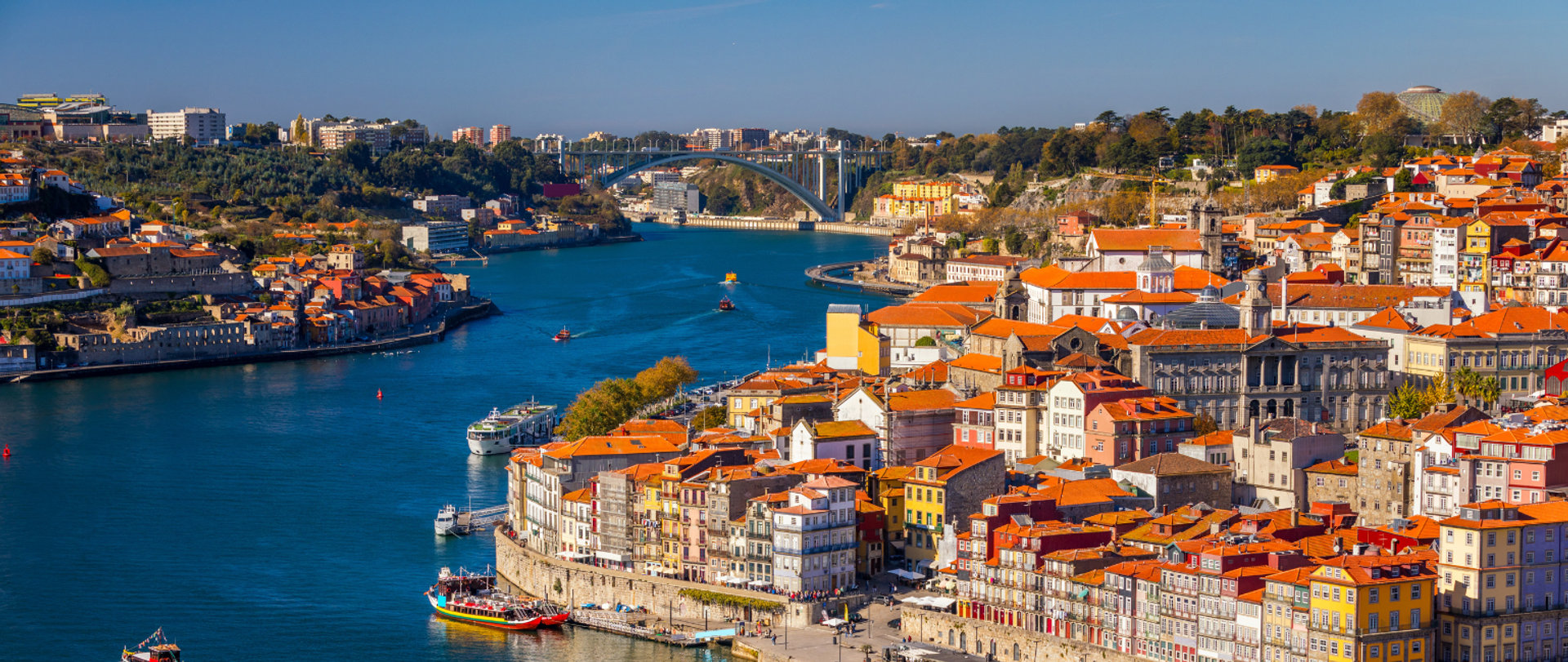
2. Porto: Port Wine Capital and Riverside Charm
Porto, Portugal's second city, enchants visitors with its riverside Ribeira district, historic port wine cellars, stunning bridges, and authentic Portuguese character combined with artistic energy.
Why Visit Porto?
Porto offers a more traditional Portuguese experience with less tourist saturation than Lisbon, while delivering equal cultural richness. The city's famous port wine industry provides unique tasting experiences in historic cellars across the Douro River. Stunning architecture, from colorful riverside buildings to ornate baroque churches, creates photogenic scenery at every turn.
Top Activities in Porto:
- Tour traditional port wine cellars in Vila Nova de Gaia with tastings
- Explore the colorful Ribeira district along the Douro River waterfront
- Visit the stunning Livraria Lello, one of the world's most beautiful bookstores
- Cross the iconic Dom Luís I Bridge for spectacular city views
- Discover São Bento Railway Station with its magnificent azulejo tile panels
Porto Climate
- Temperature: 9-26°C (48-79°F) year-round - comfortable and mild
- Best Time to Visit: May to September for warmest weather
- Conditions: Atlantic climate with moderate temperatures and occasional rainfall
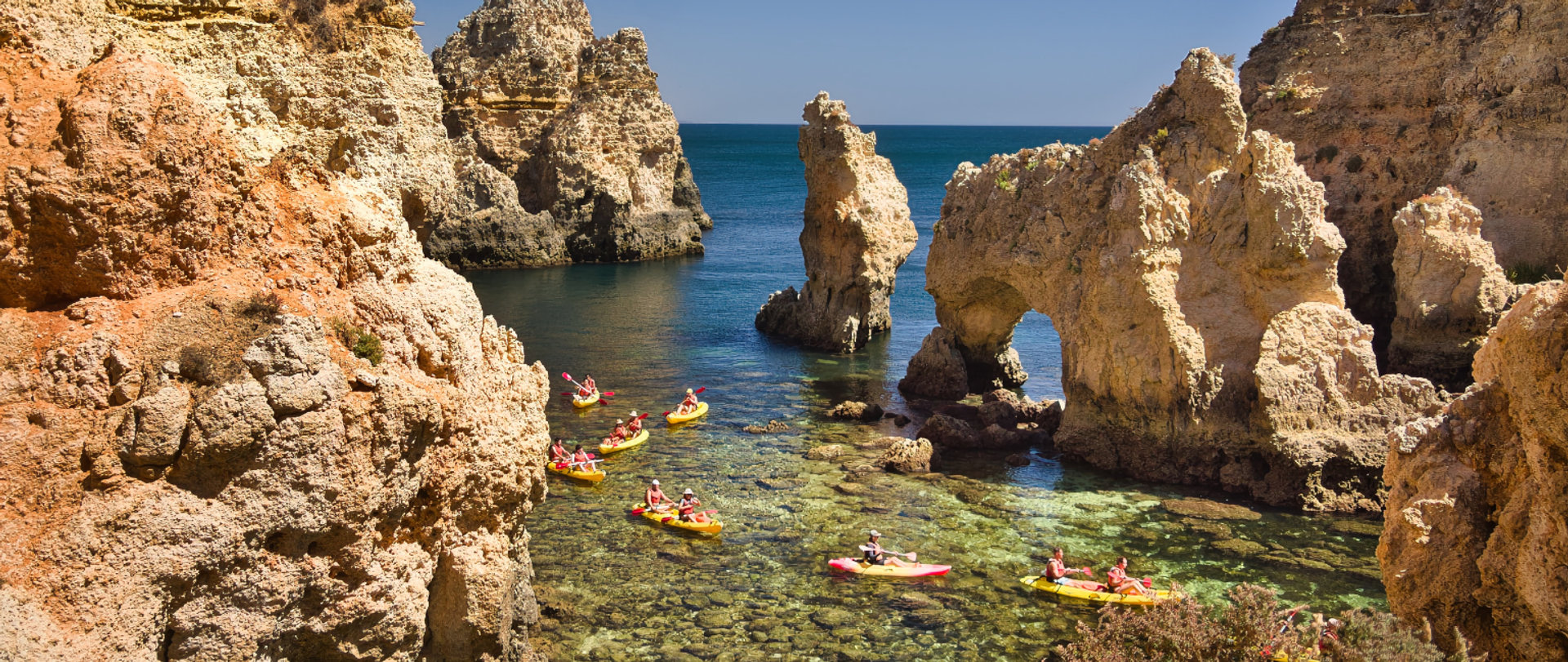
3. Algarve: Golden Beaches and Dramatic Coastal Cliffs
The Algarve, Portugal's southernmost region, offers spectacular coastline with golden sand beaches, dramatic limestone cliffs, hidden caves, and warm Mediterranean climate perfect for beach holidays.
Why Visit Algarve?
The Algarve provides Portugal's best beach experiences with over 150 beaches ranging from lively resort areas to secluded coves. The dramatic coastline features striking rock formations, sea caves accessible by boat, and consistently sunny weather. World-class golf courses, fresh seafood restaurants, and charming fishing villages complete the appeal.
Top Activities in Algarve:
- Explore stunning Benagil Cave by boat or kayak for unique natural beauty
- Relax on golden sand beaches including Praia da Marinha and Praia da Falésia
- Visit charming coastal towns like Lagos, Tavira, and Albufeira
- Play golf on world-renowned courses with ocean views
- Enjoy fresh seafood at traditional beachside restaurants
Algarve Climate
- Temperature: 12-29°C (54-84°F) year-round - warm and sunny
- Best Time to Visit: May to October for beach weather
- Conditions: Mediterranean climate with 300+ sunny days annually
4. Sintra: Fairytale Palaces and Romantic Landscapes
Sintra, a UNESCO World Heritage site near Lisbon, captivates visitors with its romantic palaces, lush forested hills, and mystical atmosphere that inspired poets and royalty for centuries.
Why Visit Sintra?
Sintra offers enchanting experiences with its collection of colorful palaces and castles set among misty mountains and dense forests. The town's cooler microclimate provides refreshing contrast to Lisbon's heat, while the concentration of architectural wonders makes it one of Europe's most romantic destinations. Easy day trip accessibility from Lisbon adds convenience.
Top Activities in Sintra:
- Visit the whimsical Pena Palace with its vibrant colors and mountain-top location
- Explore the mysterious Quinta da Regaleira with its initiation wells
- Discover the Moorish Castle ruins with spectacular panoramic views
- Wander through Sintra's historic center with traditional pastry shops
- Visit the elegant National Palace with its distinctive conical chimneys
Sintra Climate
- Temperature: 8-25°C (46-77°F) - cooler than surrounding areas
- Best Time to Visit: April to June and September to October
- Conditions: Microclimate with frequent mist, cooler and more humid than Lisbon
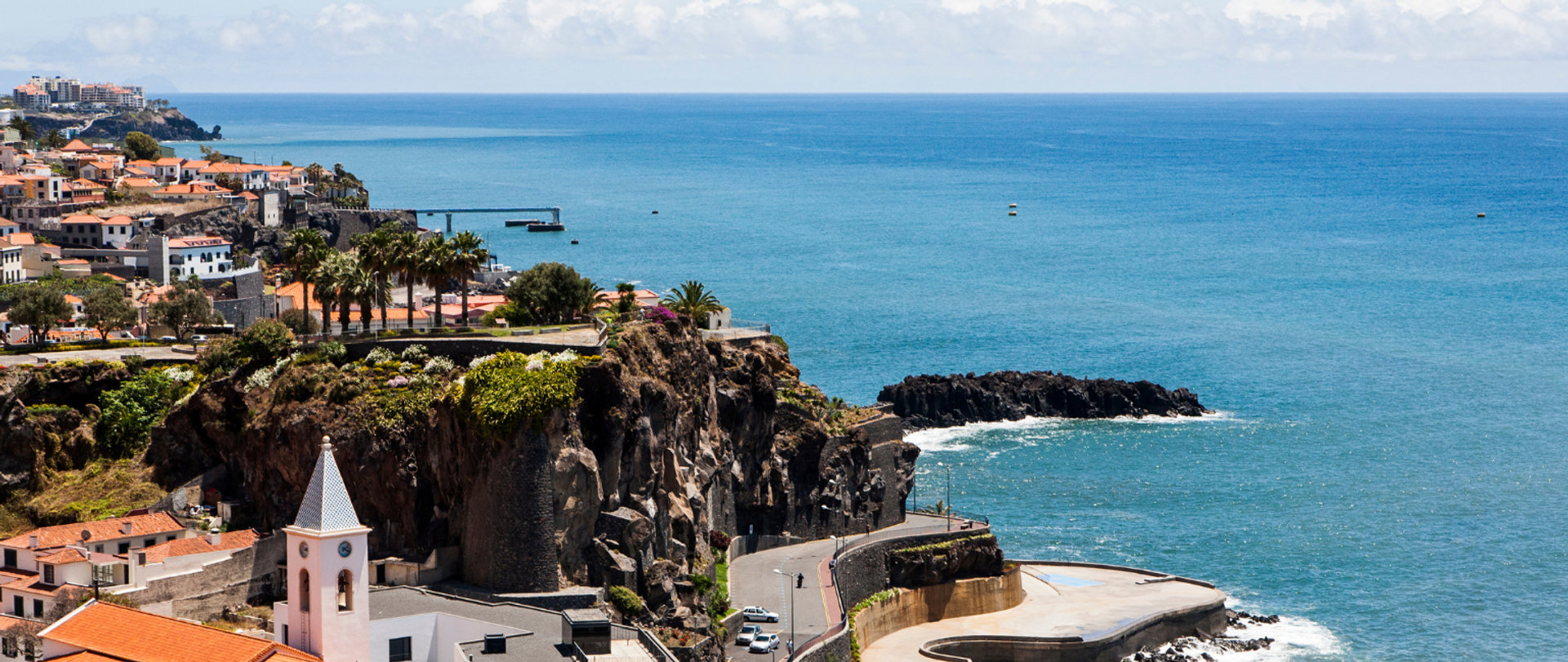
5. Madeira: Atlantic Island Paradise with Natural Beauty
Madeira, the subtropical island in the Atlantic Ocean, offers dramatic landscapes with volcanic mountains, lush laurel forests, stunning coastal views, and year-round spring-like climate.
Why Visit Madeira?
Madeira provides unique island experiences combining natural beauty with outdoor adventures. The diverse landscape offers everything from challenging mountain hikes to scenic levada walks through laurel forests. Year-round mild climate eliminates seasonal limitations, while the island's volcanic origin creates dramatic scenery. World-famous Madeira wine, New Year's fireworks, and botanical gardens add cultural appeal.
Top Activities in Madeira:
- Hike along scenic levadas (irrigation channels) through lush forests
- Visit Cabo Girão, one of Europe's highest sea cliffs with glass skywalk
- Explore the colorful capital Funchal and its historic old town
- Take cable car rides to Monte with stunning harbor views
- Taste authentic Madeira wine at traditional wine lodges
Madeira Climate
- Temperature: 16-25°C (61-77°F) year-round - eternal spring
- Best Time to Visit: Year-round; spring (April-June) offers blooming flowers
- Conditions: Subtropical climate with mild temperatures and occasional rainfall
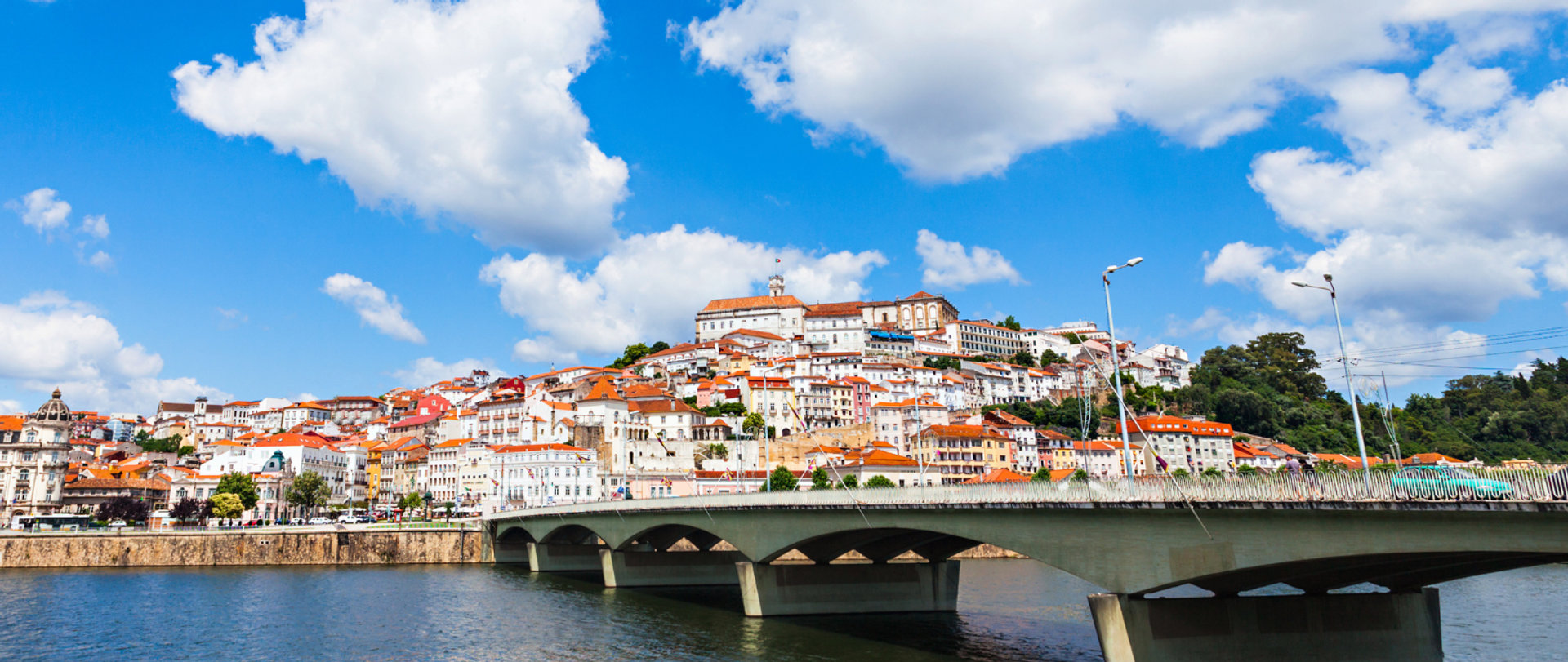
6. Coimbra: Ancient University City and Cultural Heritage
Coimbra, home to one of Europe's oldest universities, offers rich academic heritage, medieval architecture, traditional Fado music, and authentic Portuguese culture in a charming riverside setting.
Why Visit Coimbra?
Coimbra provides authentic Portuguese experiences away from major tourist crowds. The historic university, founded in 1290, features the stunning Joanina Library, one of the world's most beautiful. The city's position between Lisbon and Porto makes it a perfect stopover, while its student population ensures vibrant cultural life and affordable dining.
Top Activities in Coimbra:
- Visit the historic University of Coimbra and its magnificent Joanina Library
- Explore the medieval Old Cathedral and historic city center
- Experience authentic Coimbra Fado performances in traditional venues
- Walk along the Mondego River and enjoy riverside gardens
- Discover the Santa Cruz Monastery with royal tombs and azulejo tiles
Coimbra Climate
- Temperature: 9-28°C (48-82°F) - continental Mediterranean
- Best Time to Visit: April to October for pleasant weather
- Conditions: Hot summers, mild winters with occasional rainfall
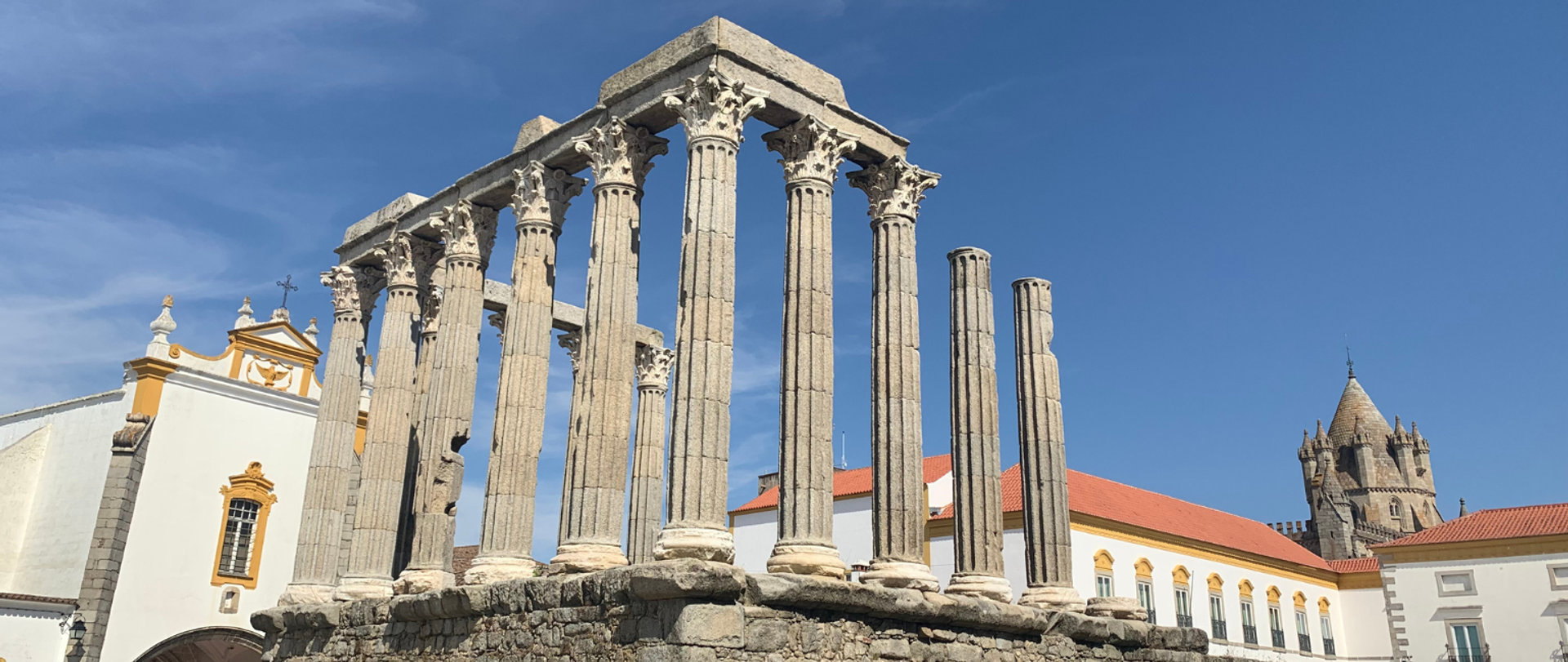
7. Évora: Medieval Walled City and Roman Ruins
Évora, a UNESCO World Heritage city in the Alentejo region, showcases remarkably preserved medieval architecture, Roman ruins, and authentic Portuguese culture within ancient city walls.
Why Visit Évora?
Évora offers one of Portugal's best-preserved historic centers with Roman, Medieval, and Renaissance architecture concentrated within walkable distances. The city provides authentic Alentejo experiences with traditional cuisine, local wines, and genuine Portuguese hospitality. Lower tourist numbers compared to coastal cities ensure peaceful exploration.
Top Activities in Évora:
- Visit the haunting Chapel of Bones decorated with human skulls and bones
- Explore the impressive Roman Temple of Diana from 1st century AD
- Walk along medieval city walls with panoramic countryside views
- Discover the Cathedral of Évora, Portugal's largest medieval cathedral
- Sample Alentejo cuisine and regional wines at traditional restaurants
Évora Climate
- Temperature: 8-32°C (46-90°F) - continental climate
- Best Time to Visit: March to June and September to October
- Conditions: Hot, dry summers; mild winters with some rainfall
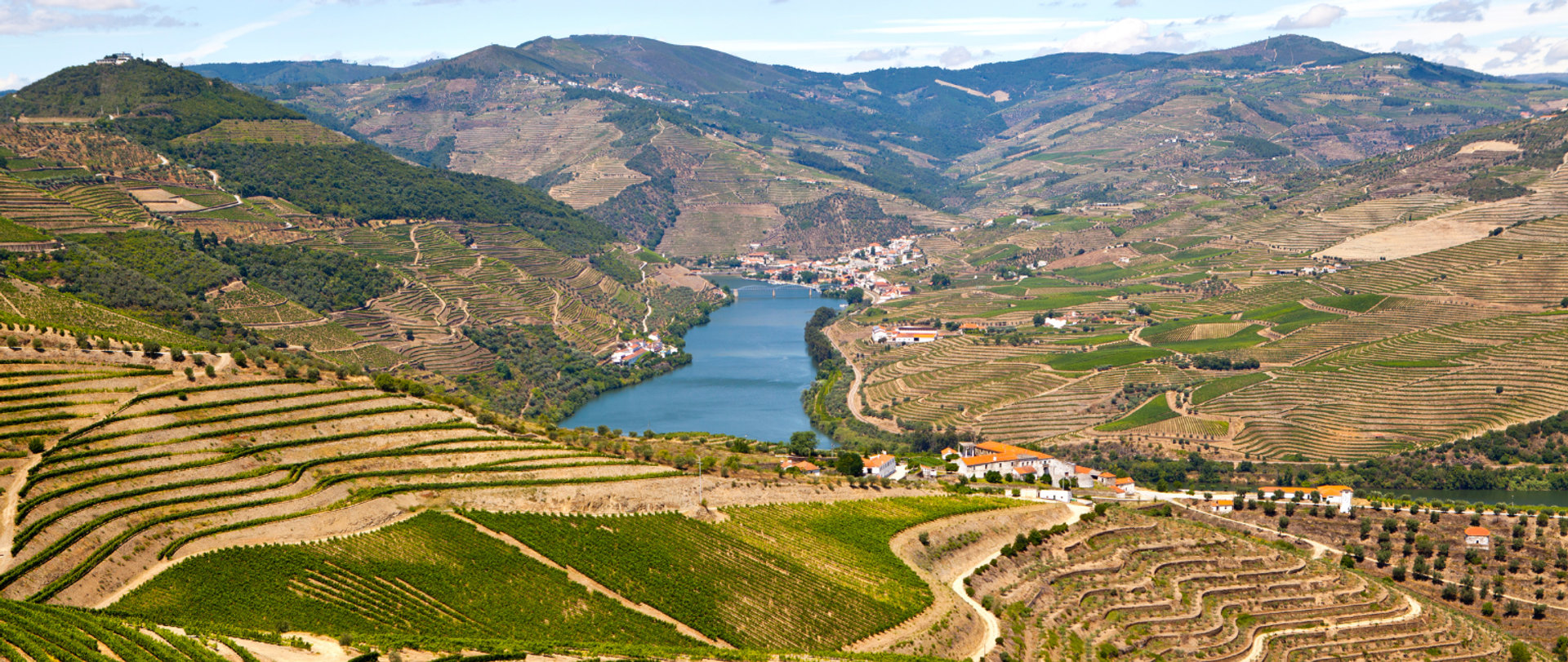
8. Douro Valley: Terraced Vineyards and River Cruises
The Douro Valley, a UNESCO World Heritage landscape, offers spectacular terraced vineyards along the winding river, renowned wine estates, and scenic beauty considered one of the world's most beautiful wine regions.
Why Visit Douro Valley?
The Douro Valley provides breathtaking scenery with ancient terraced vineyards sculpted into steep hillsides creating stunning visual landscapes. As the birthplace of port wine, the region offers world-class wine tasting experiences at historic quintas. River cruises provide relaxing ways to admire the scenery, while charming villages and traditional estates offer authentic rural Portuguese experiences.
Top Activities in Douro Valley:
- Take a scenic river cruise along the Douro River through wine country
- Visit traditional wine estates (quintas) for tastings and tours
- Ride the historic Douro railway line with spectacular valley views
- Explore charming riverside towns like Pinhão and Peso da Régua
- Enjoy wine estate accommodations with vineyard views and gourmet dining
Douro Valley Climate
- Temperature: 8-30°C (46-86°F) - continental with hot summers
- Best Time to Visit: September to October for grape harvest; spring for blooms
- Conditions: Hot, dry summers; mild winters with moderate rainfall
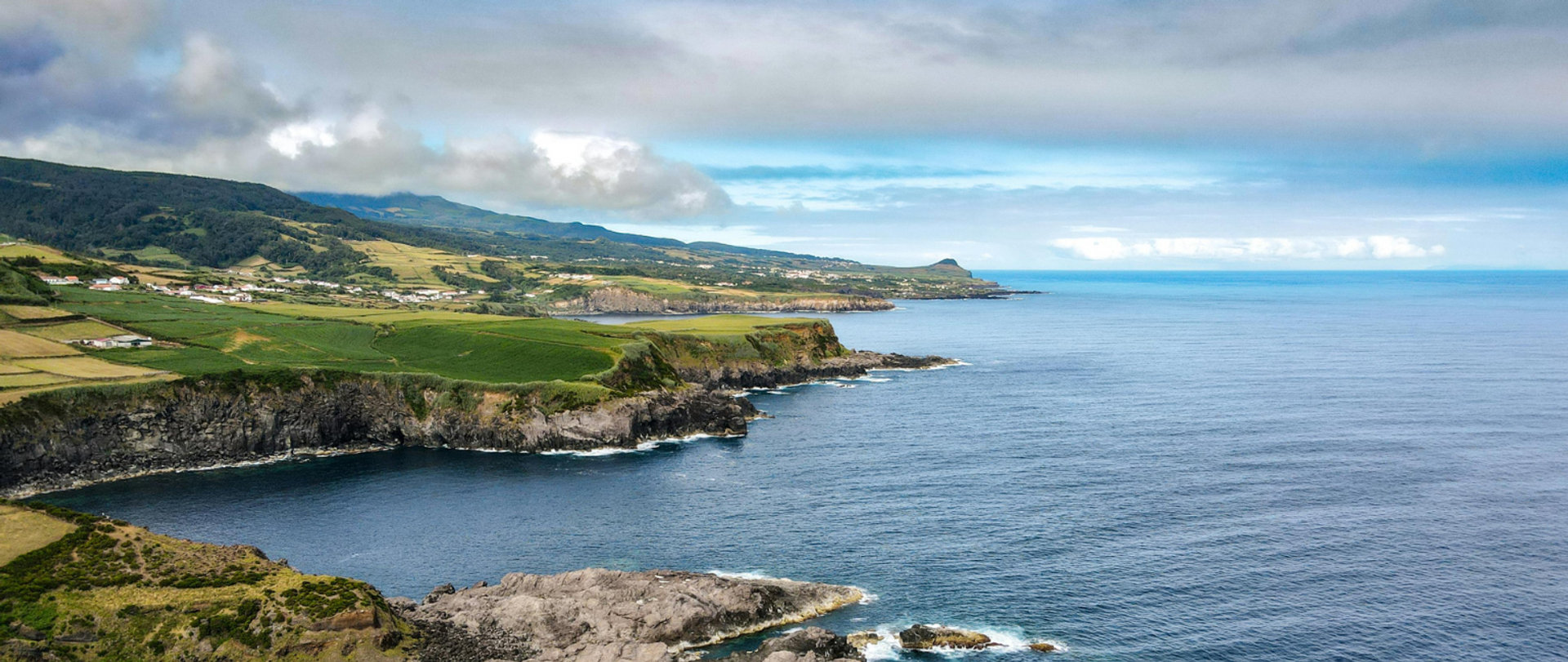
9. Azores: Volcanic Islands and Outdoor Adventures
The Azores, a remote archipelago in the Atlantic Ocean, offers dramatic volcanic landscapes, natural hot springs, whale watching opportunities, and pristine nature perfect for adventure and eco-tourism.
Why Visit Azores?
The Azores provide unique volcanic island experiences with crater lakes, natural thermal pools, and dramatic coastal scenery. The islands offer world-class whale and dolphin watching, challenging hiking trails, and diving opportunities in crystal-clear waters. Remote location ensures unspoiled nature and authentic island culture, while year-round mild climate enables outdoor activities.
Top Activities in Azores:
- Swim in natural volcanic hot springs at Furnas and Ferraria
- Go whale and dolphin watching in the Atlantic waters
- Hike to stunning crater lakes including Sete Cidades with twin blue and green lakes
- Explore dramatic coastal landscapes and volcanic caves
- Experience cozido das Furnas, food cooked underground by volcanic heat
Azores Climate
- Temperature: 14-25°C (57-77°F) year-round - mild oceanic
- Best Time to Visit: May to October for warmest weather and whale watching
- Conditions: Oceanic climate with moderate temperatures and frequent rainfall
10. Óbidos: Medieval Castle Town and Traditional Charm
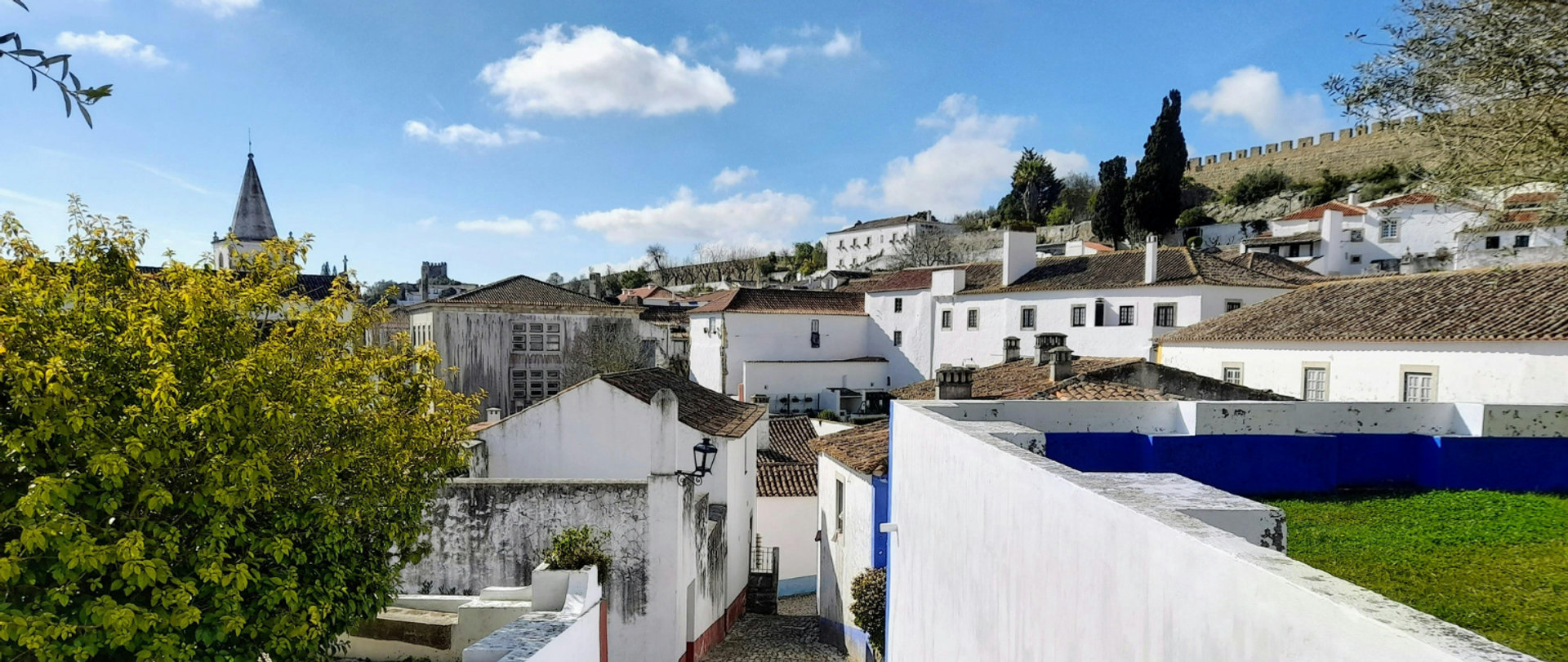
Óbidos, a perfectly preserved medieval walled town, offers enchanting cobblestone streets, whitewashed houses, colorful flowers, and authentic Portuguese village atmosphere within ancient fortifications.
Why Visit Óbidos?
Óbidos provides one of Portugal's most picturesque medieval experiences with its completely preserved town walls, castle, and traditional architecture. The compact size makes it perfect for easy exploration, while the charming streets filled with artisan shops, traditional restaurants, and the famous Ginjinha cherry liqueur served in chocolate cups create memorable experiences. Easy day trip from Lisbon adds accessibility.
Top Activities in Óbidos:
- Walk along the medieval town walls for panoramic countryside views
- Explore narrow cobblestone streets with whitewashed houses and flowers
- Visit the castle (now a luxury pousada) and historic churches
- Sample Ginjinha de Óbidos, cherry liqueur in edible chocolate cups
- Browse local crafts, ceramics, and traditional Portuguese products
Óbidos Climate
- Temperature: 9-27°C (48-81°F) - Atlantic influenced
- Best Time to Visit: April to October; Christmas market in December is special
- Conditions: Mediterranean climate with mild winters and warm summers
Discover the Magic of Portugal!
Portugal truly offers incredible diversity within a compact country, combining historic cities, stunning coastlines, mountain landscapes, and island paradises. Whether you seek cultural immersion, beach relaxation, wine experiences, or outdoor adventures, these 10 destinations showcase the best of Portuguese charm, hospitality, and natural beauty.
Ready to explore one of Europe's most enchanting countries? Start planning your Portuguese adventure and discover why this captivating destination continues to win travelers' hearts!
Frequently Asked Questions (FAQs)
What is the best time to visit Portugal?
The best time to visit Portugal is April to October, with May to June and September to October offering ideal conditions: pleasant temperatures, fewer crowds, and lower prices. Summer (July-August) is perfect for beaches but crowded and expensive. Winter (November-March) offers mild weather in southern regions and lower prices but more rainfall.
How many days do you need to visit Portugal?
A minimum of 7-10 days allows you to experience Portugal's highlights: 3 days in Lisbon, 2 days in Porto, 1 day in Sintra, and 2-3 days in either the Algarve or Douro Valley. Two weeks enables more comprehensive exploration including multiple regions, while 3-4 days works for a focused city break in Lisbon or Porto.
Is Portugal expensive to travel?
Portugal is one of Western Europe's most affordable destinations. Budget travelers can manage on €40-60 per day, mid-range travelers should budget €80-120 per day, while luxury travelers might spend €200+ daily. Accommodation, food, and transportation are significantly cheaper than France, Italy, or Spain, especially outside peak summer season.
Do I need to speak Portuguese to visit Portugal?
No, English is widely spoken in tourist areas, cities, and among younger Portuguese. However, learning basic Portuguese phrases is appreciated and helpful in rural areas. Most restaurant menus in tourist areas offer English translations, and Portuguese people are generally helpful and patient with language barriers.
What is the best region for beaches in Portugal?
The Algarve offers Portugal's best beaches with golden sands, dramatic cliffs, warm water, and 300+ sunny days annually. The Costa Vicentina provides more rugged, unspoiled beaches perfect for surfing. Near Lisbon, Cascais and Costa da Caparica offer accessible beach options, while Madeira and Azores provide unique volcanic black sand beaches.
Is it easy to travel between Portuguese cities?
Yes, Portugal has excellent transportation infrastructure. Fast trains connect Lisbon and Porto in 2.5-3 hours. Buses reach smaller towns efficiently and affordably. Rental cars provide flexibility for exploring regions like Douro Valley and Algarve. Domestic flights connect mainland to island destinations (Madeira, Azores). Distances are manageable, making multi-destination trips feasible.
What are the must-try foods in Portugal?
Must-try Portuguese foods include: pastéis de nata (custard tarts), bacalhau (salted cod) prepared hundreds of ways, fresh grilled sardines, francesinha (Porto's hearty sandwich), arroz de marisco (seafood rice), caldo verde (green soup), peri-peri chicken, and regional cheeses. Don't miss port wine, vinho verde, and Ginjinha liqueur.
Is Portugal safe for tourists?
Yes, Portugal is one of Europe's safest countries with very low violent crime rates. Standard precautions against pickpocketing in crowded tourist areas and public transport apply, especially in Lisbon and Porto. Portuguese people are generally honest and helpful. Solo travelers, including women, generally feel very safe throughout the country.
Can you visit Portugal year-round?
Yes, Portugal's mild climate enables year-round travel. Southern regions (Algarve, Alentejo) offer pleasant winter weather. Lisbon and Porto remain enjoyable in winter despite occasional rain. Summer suits beach destinations, while spring and fall are ideal for cities, wine regions, and hiking. Madeira and Azores offer year-round mild conditions.
What should I pack for a trip to Portugal?
Pack comfortable walking shoes for cobblestone streets and hills, layers for varying temperatures, sunscreen and sunglasses, light rain jacket for unpredictable showers, swimwear for beaches, smart casual clothes for dining out, power adapter (Type C/F European plugs), and reusable water bottle. Summer requires sun protection; winter needs warmer layers for evenings.
Which Portuguese islands should I visit - Madeira or Azores?
Choose Madeira for: easier accessibility, more developed tourism infrastructure, levada walks, subtropical gardens, and year-round mild weather. Choose Azores for: more dramatic volcanic landscapes, whale watching, hot springs, adventurous outdoor activities, and more unspoiled nature. Madeira suits relaxation-focused trips; Azores appeal to adventure seekers.
How do I get around Portugal without a car?
Portugal offers excellent public transportation: trains connect major cities efficiently, buses reach smaller towns and rural areas, metros operate in Lisbon and Porto, trams and funiculars provide scenic urban transport, and taxis/ride-sharing apps are affordable in cities. However, rental cars provide more flexibility for exploring regions like Douro Valley, Alentejo, and rural Algarve.