The Journey Begins
Five thousand years of civilization
“A state where history still breathes.”
From Sufi shrines where three faiths pray together, to granite pillars that play music, to mangroves that shield a coastline from the sea, this is not the Tamil Nadu you’ve seen in guidebooks, this is what happens when you look deeper.
Stones, Hills & Forgotten Kings
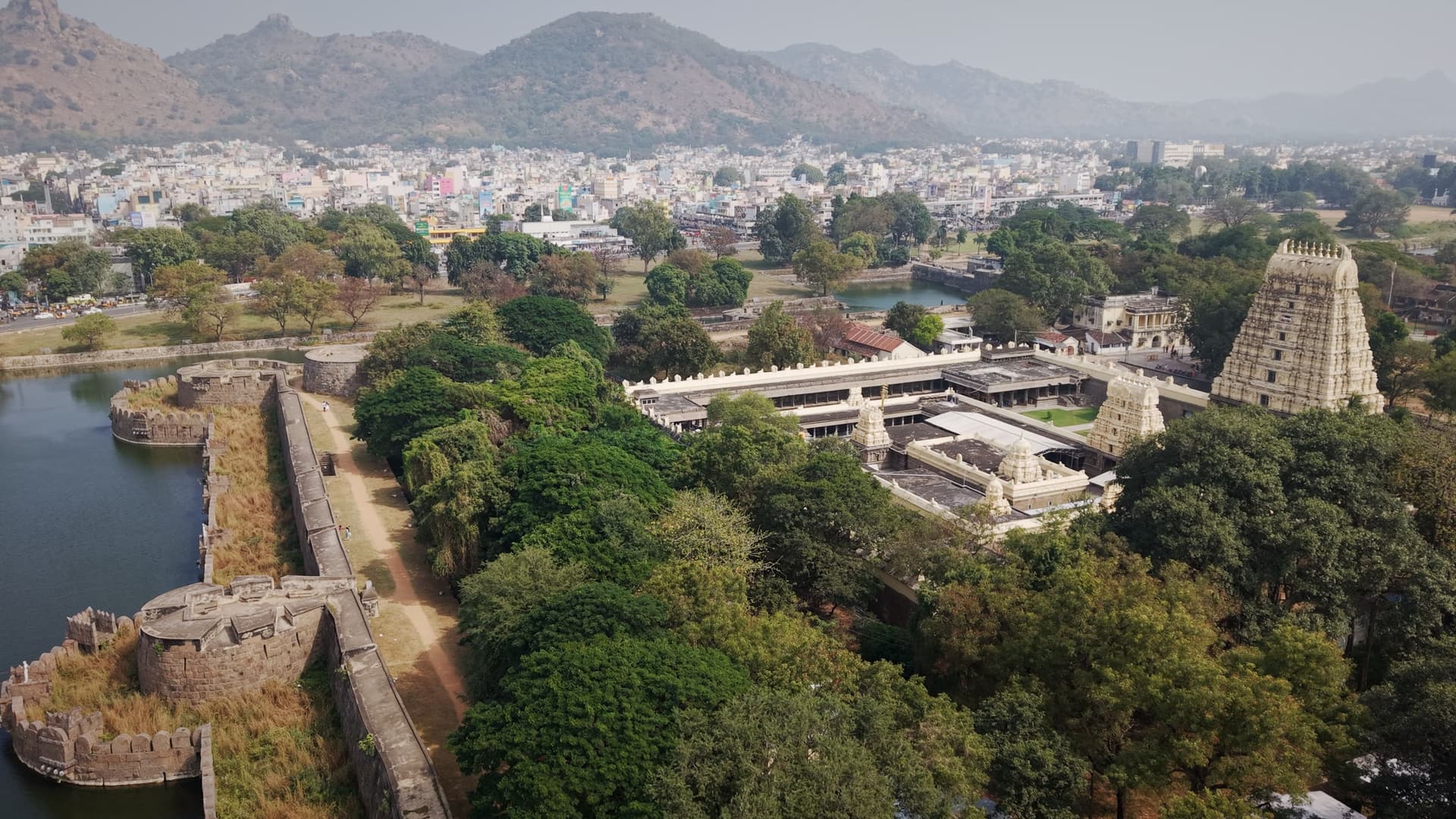
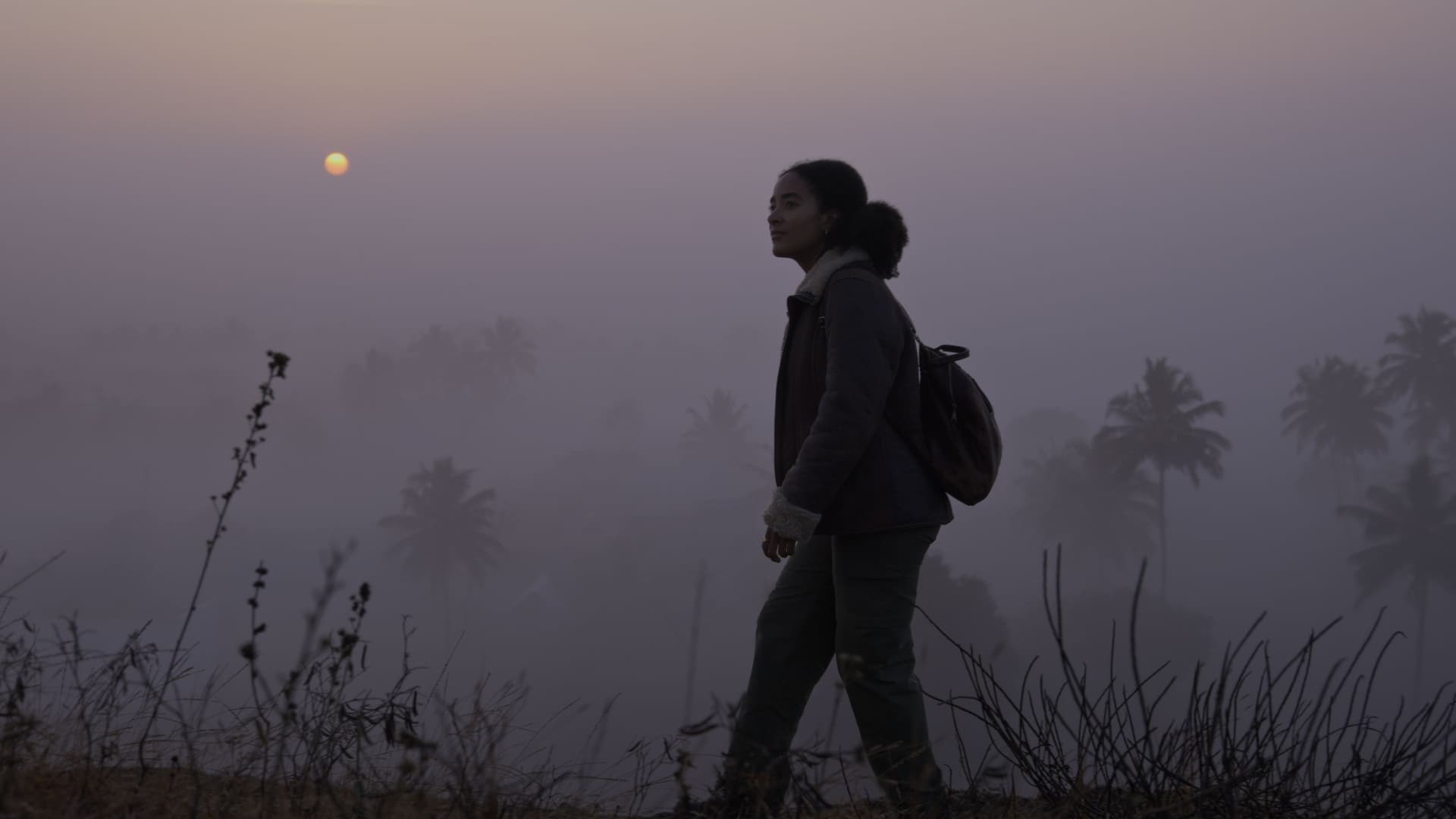
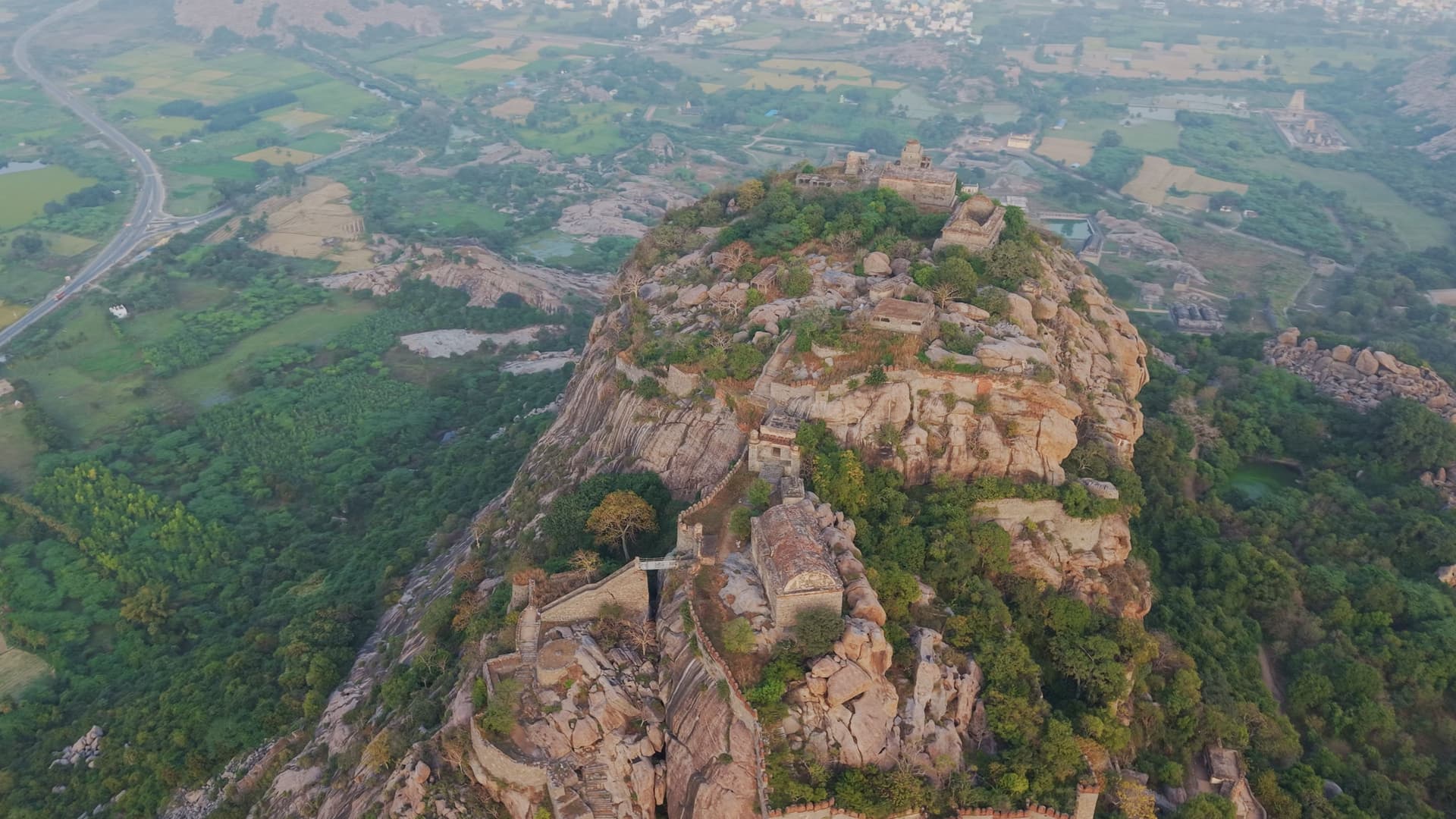
A journey into Tamil Nadu’s north, ancient historic forts, tribal highlands and a citadel that held off three empires.
Where Europe Met the Coromandel
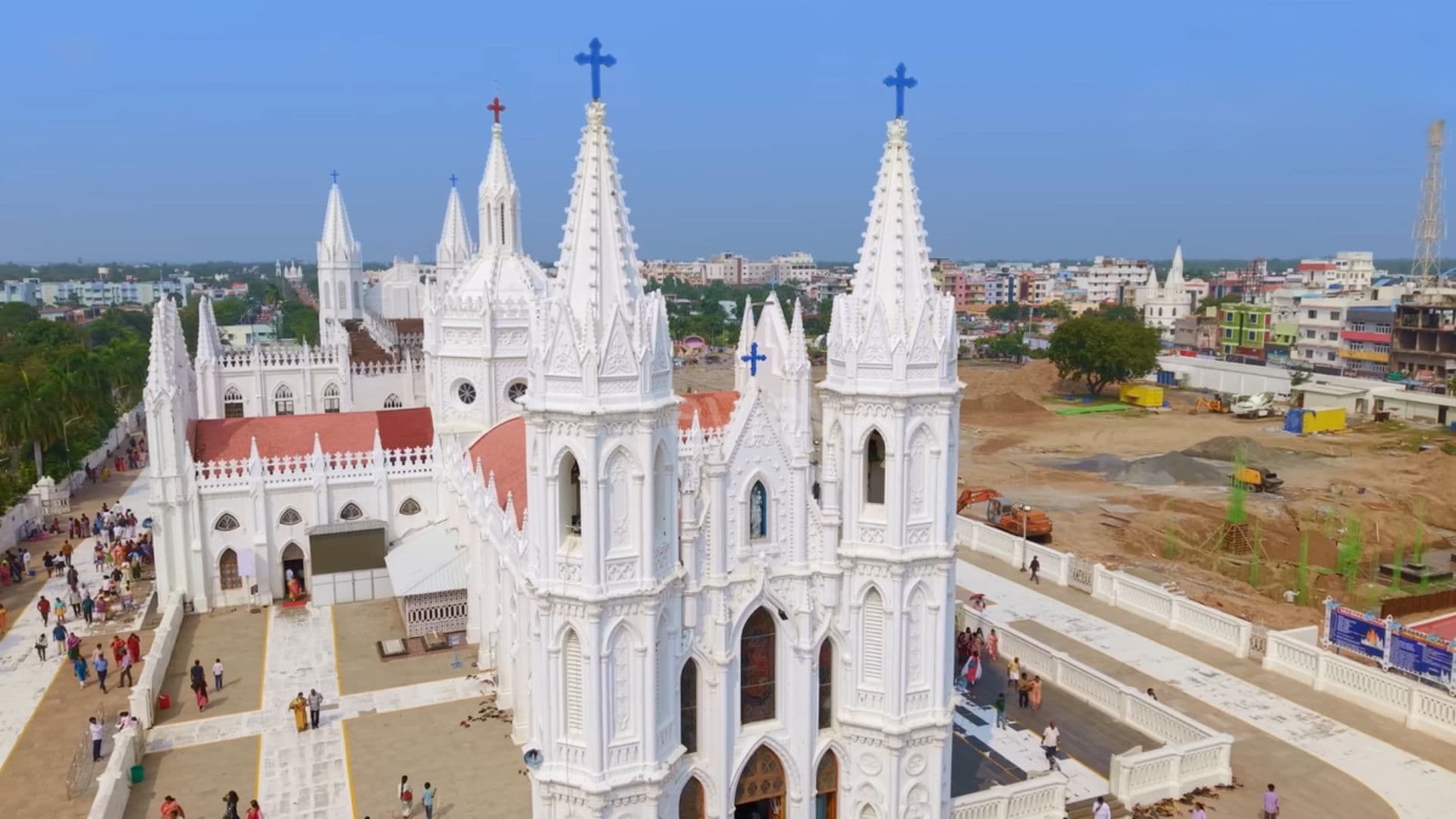
Mangroves, a Danish colonial town, a million-pilgrim basilica and a fort that once flew the oldest national flag in the world.
Prayers, Pelicans & the Dark
A Sufi dargah revered across faiths, flamingo-filled wetlands, a forgotten fort on a sand spit, and Tamil Nadu after dark.
The Deep South
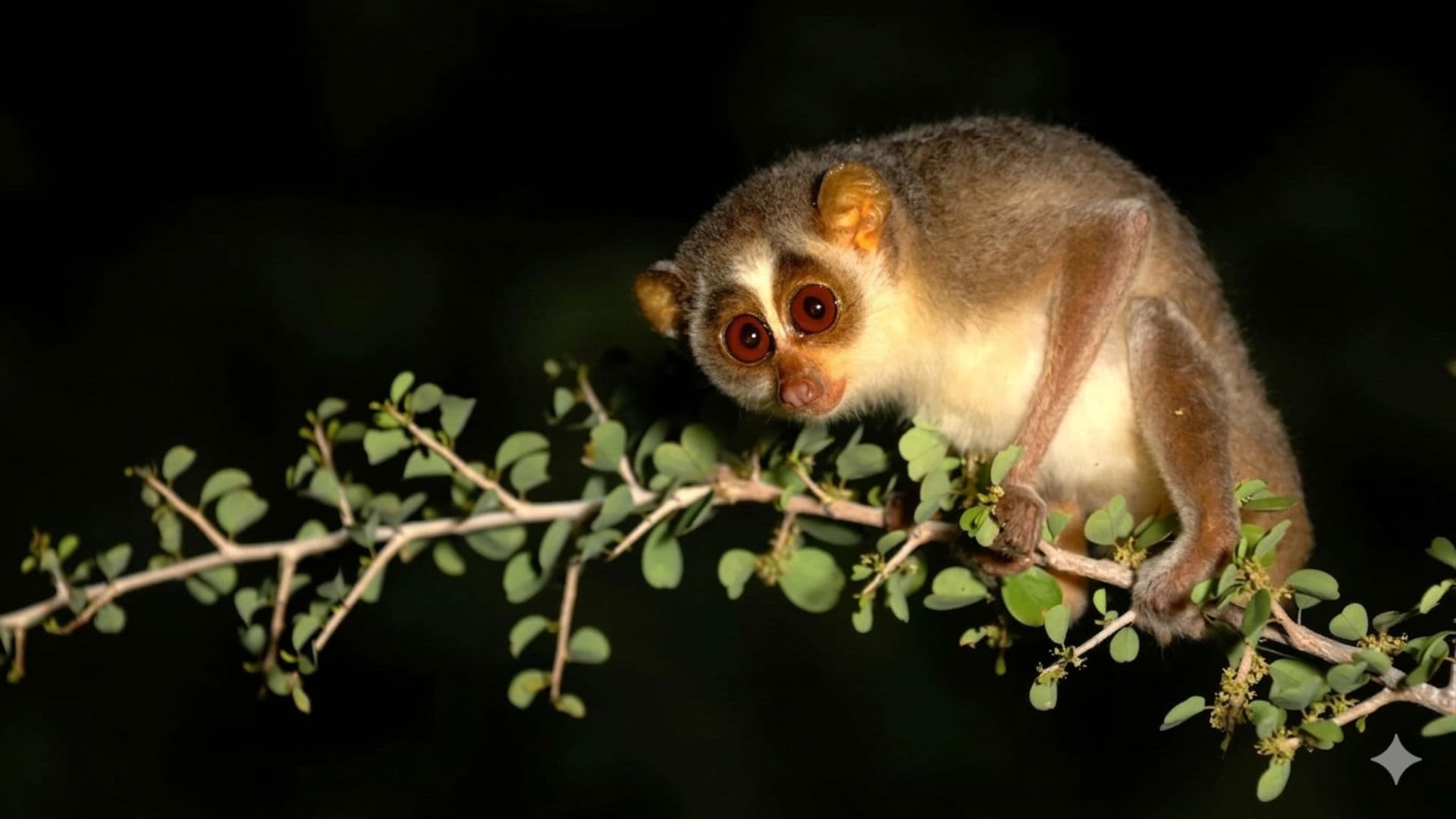
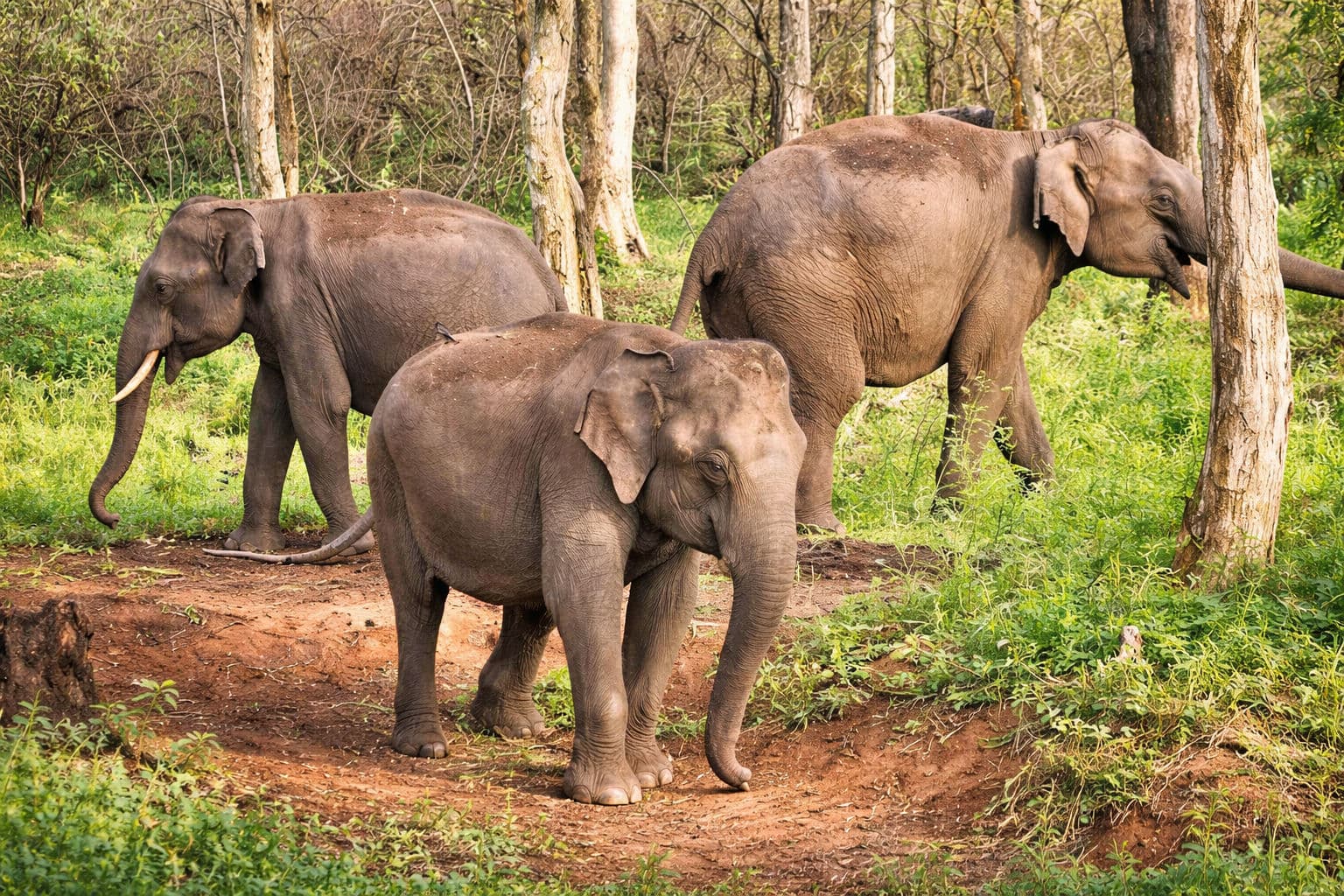
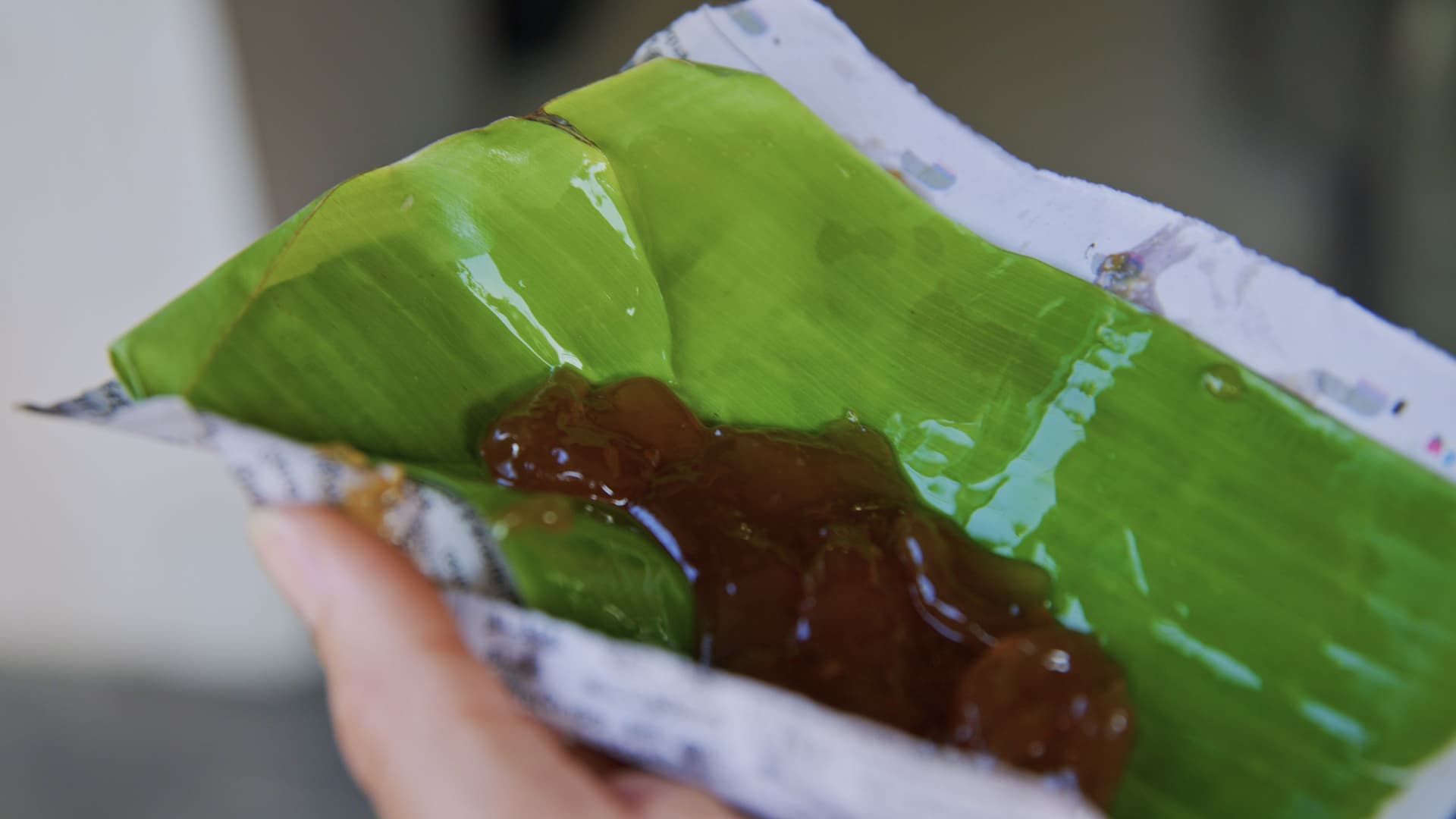
Tigers in Anamalai, Madurai at dawn, a sacred sweet, pillars that sing, and a coastal cuisine shaped by Arab traders.

Celebrations
The Festivals That Stop Time
In Tamil Nadu, a festival is not an event on a calendar. It is a collective act of remembrance, where an entire people step outside ordinary time and into something ancient, communal, and alive. These are not performances for tourists. They are real celebrations, as they have always been.
Karthigai Mahadeepam
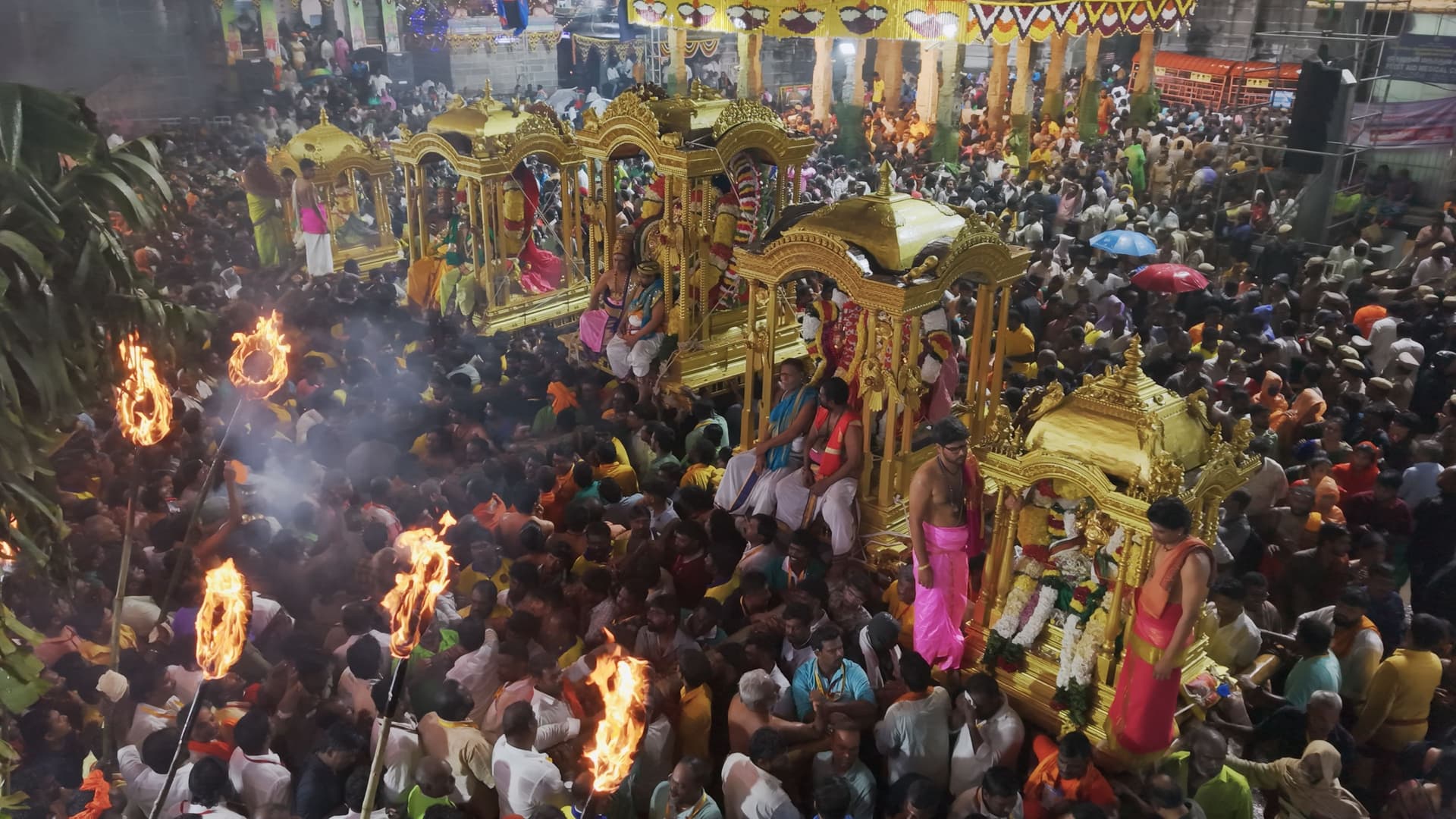
On the full moon of the Tamil month Karthigai, a single flame is carried barefoot to the summit of the 2,670-metre Arunachala hill and lit atop a massive copper pot filled with ghee. Visible for thirty kilometres in every direction. No electricity. No amplification. Half a million people gathered on the valley floor, watching in silence as the mountain becomes fire. The Deepam has been lit without interruption for over a thousand years. It is said to be the form of Lord Shiva himself, not symbol, but presence. There is nothing else like it on earth.
Pongal
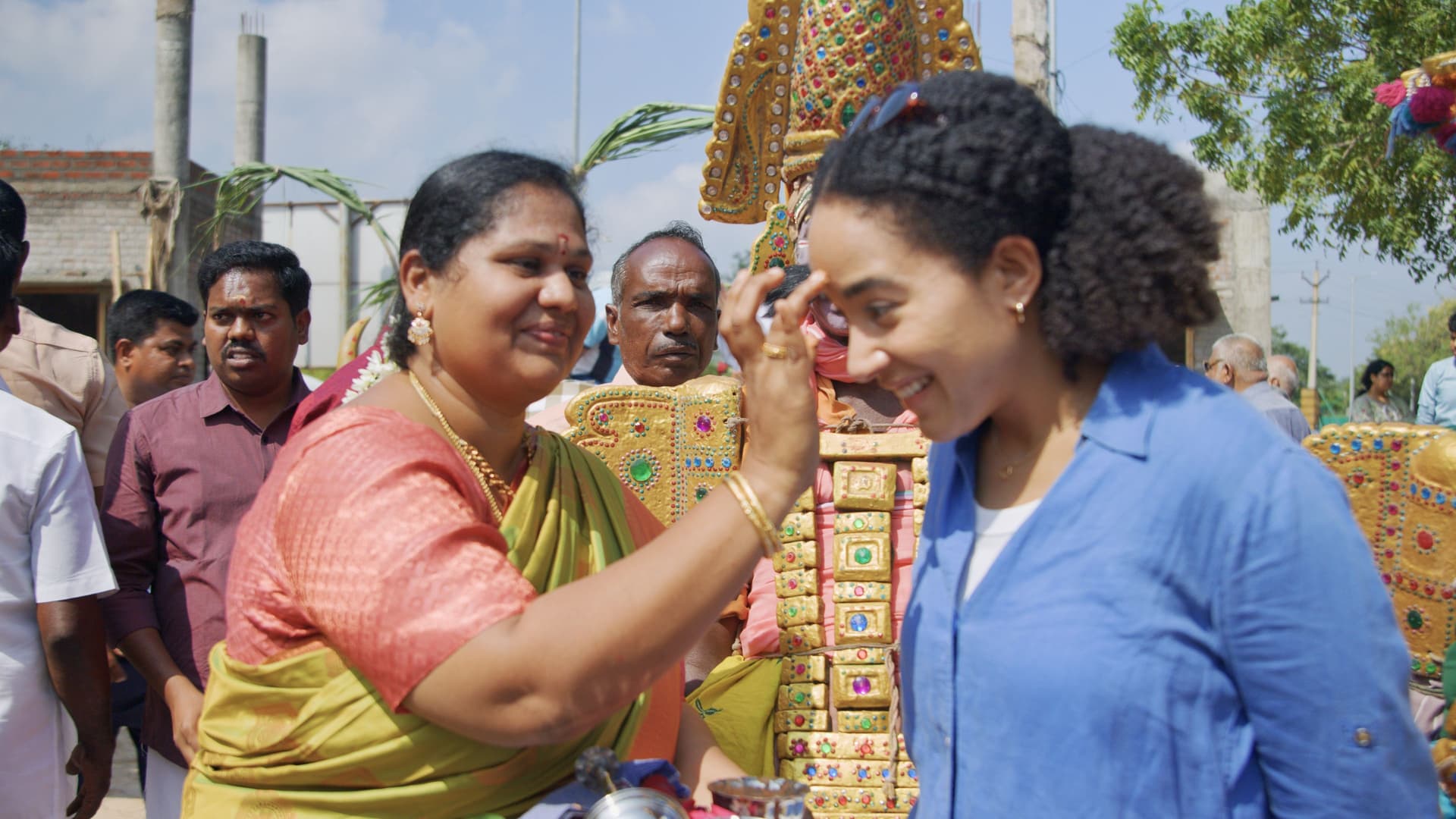
The Tamil new year of the harvest. On the morning of Thai Pongal, a clay pot of fresh rice is placed over an open fire in the courtyard, and the moment the milk boils over and spills, it is met with a shout of collective joy: “Pongalo Pongal!” It overflows, and so does everything good. Kolam patterns are drawn on doorsteps before sunrise. Cattle are bathed, garlanded, and honoured as sacred partners of the land. There are no priests required. No temples. Pongal is a festival of the home, the cow, the sun, and the soil, observed in the same form for longer than recorded Tamil history. Four days. Ancient beyond memory. Still alive in every home.
On the Table
A Cuisine With No Word for Ordinary
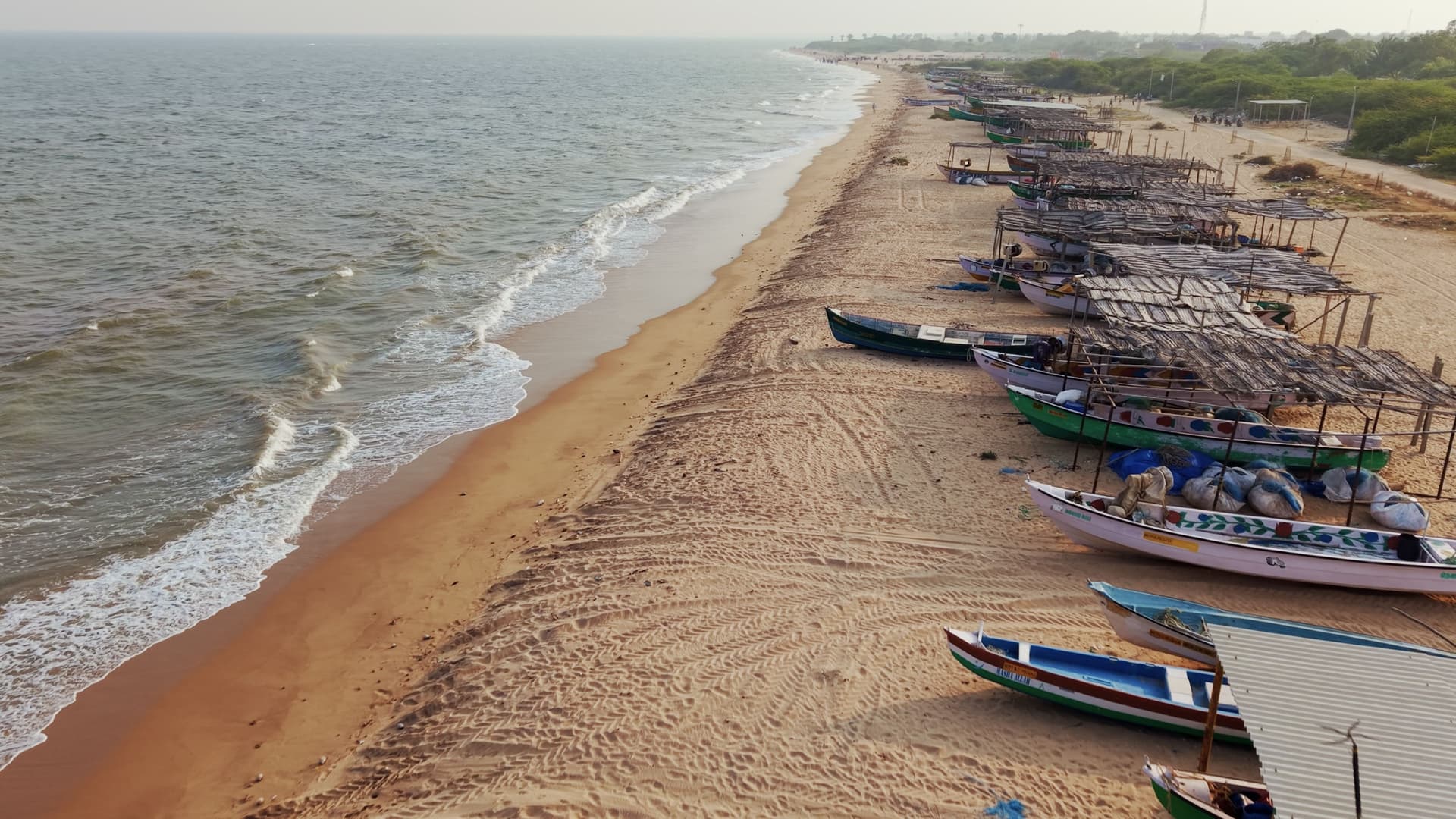
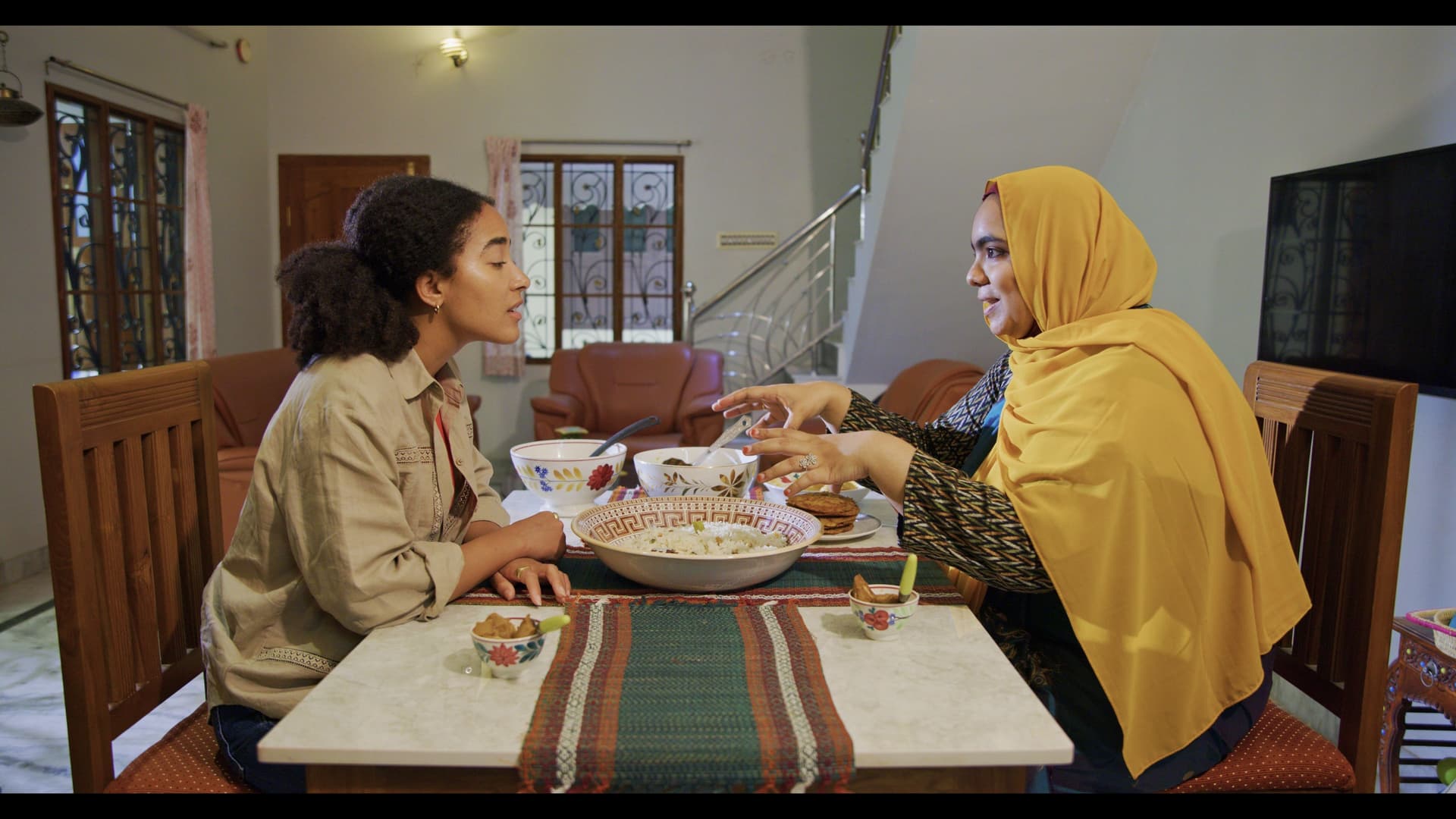
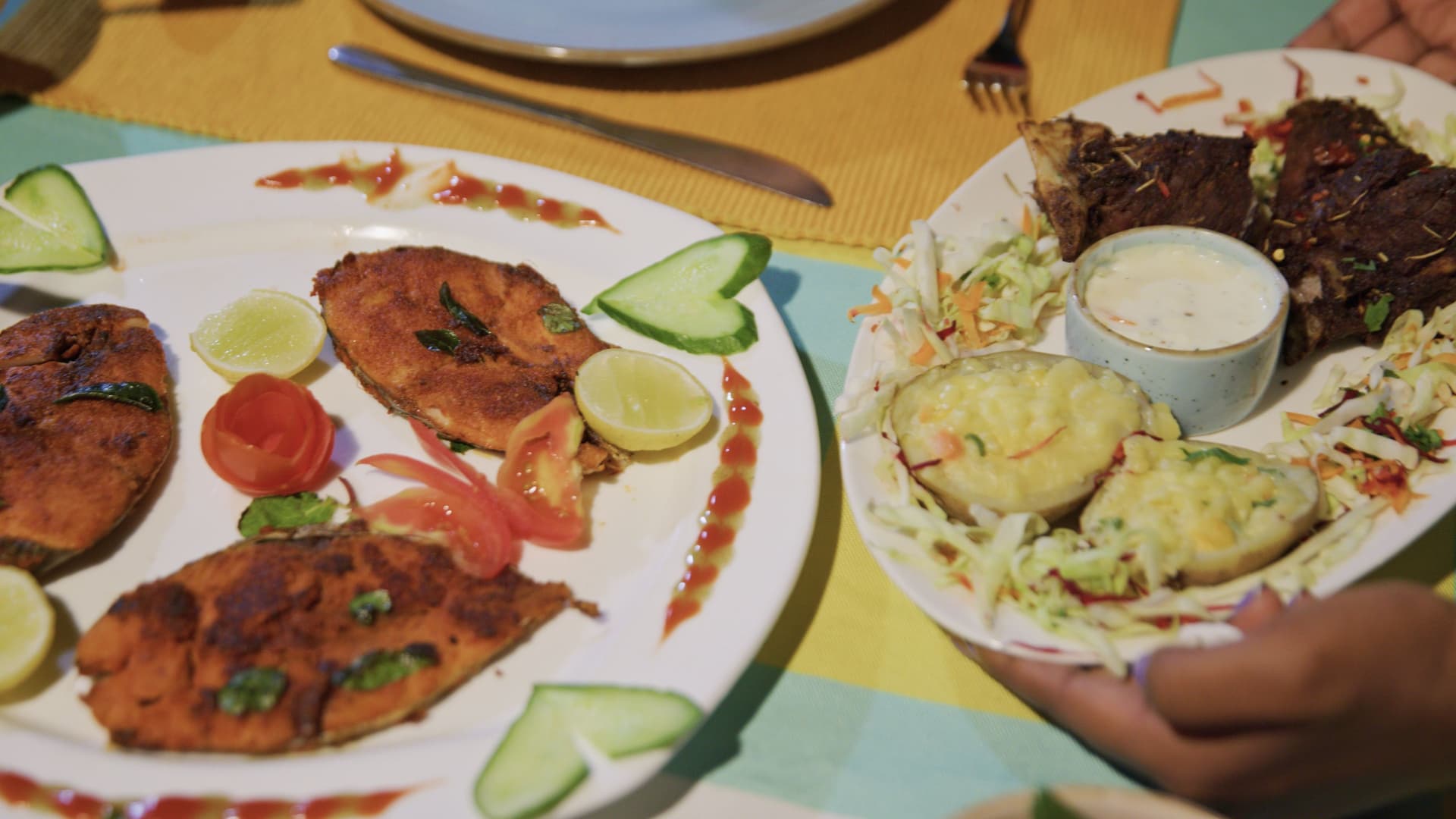
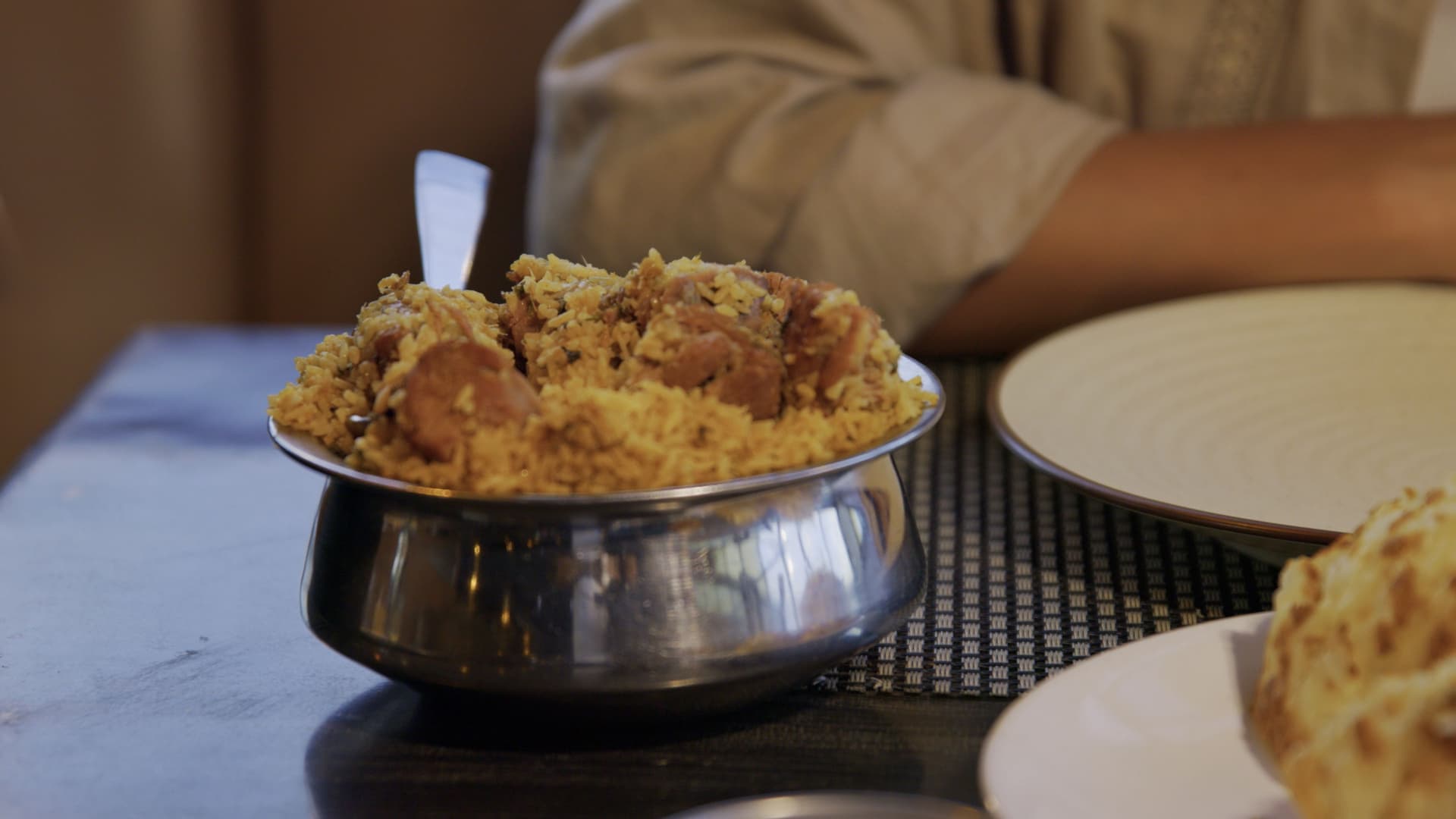
From Kayalpatnam’s Arab-inflected coast to a colonial fusion that survived 225 years, Tamil Nadu’s food tells history in every bite.
One of a Kind
Places You Won’t Find Anywhere Else
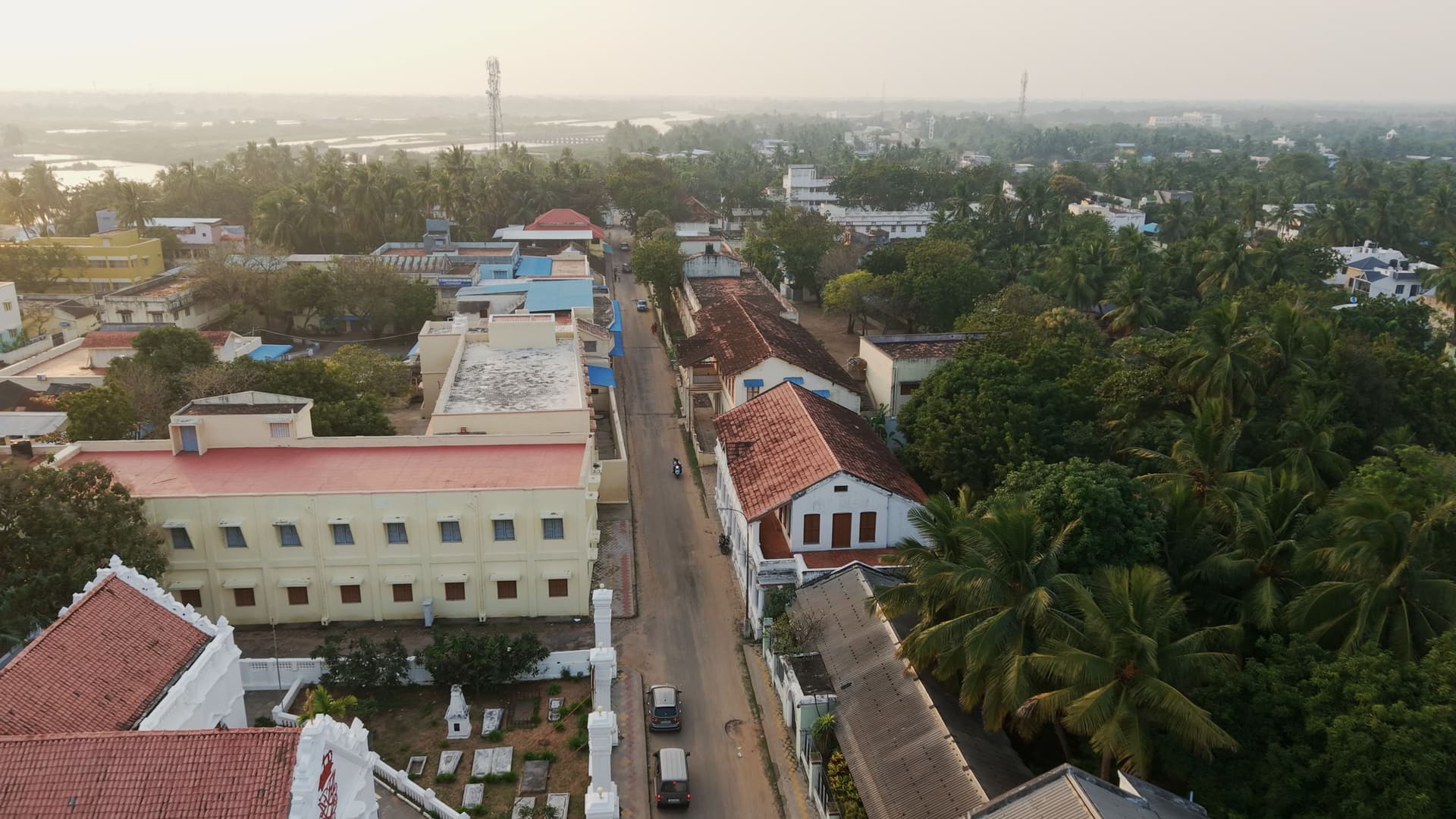
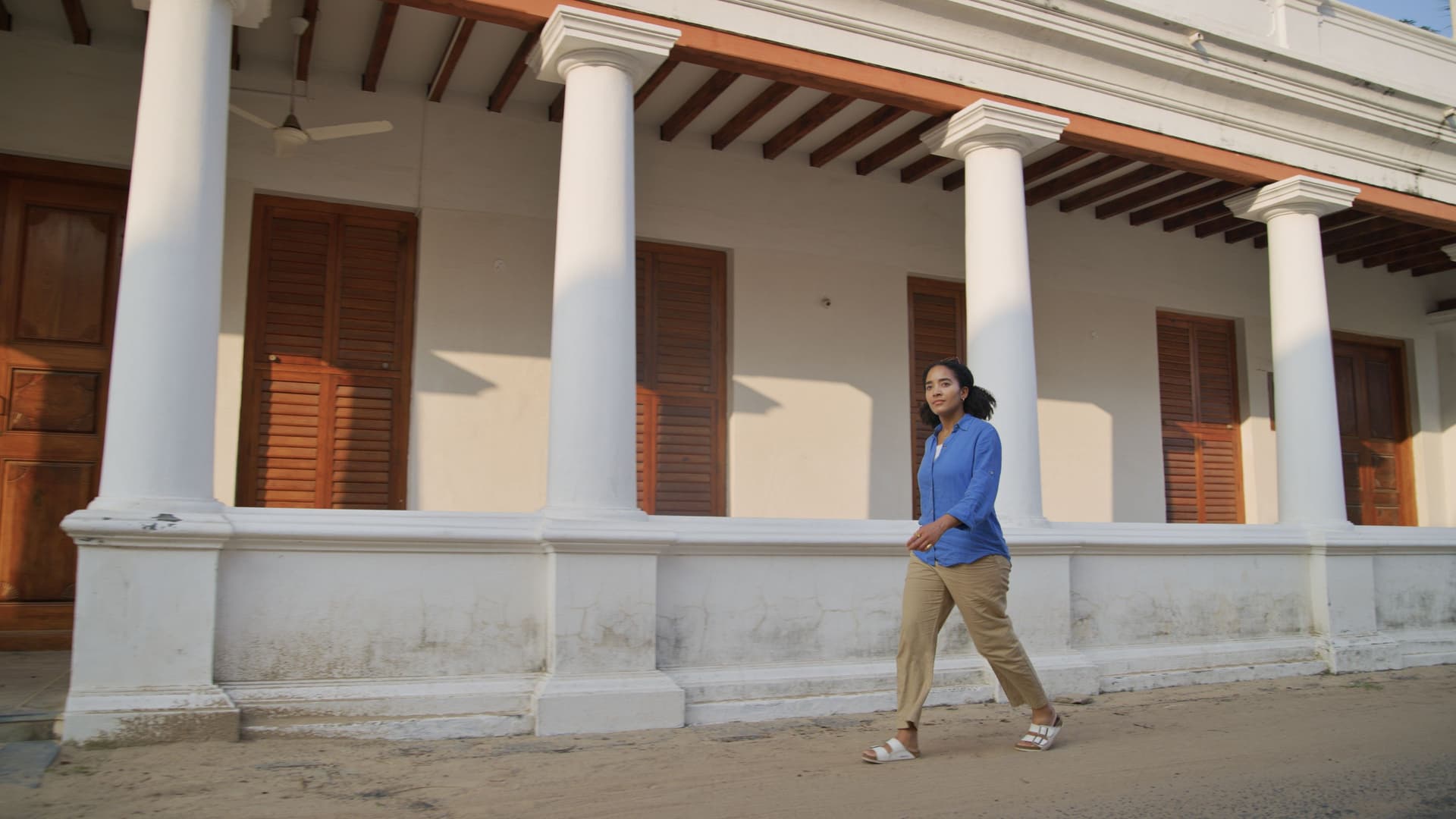
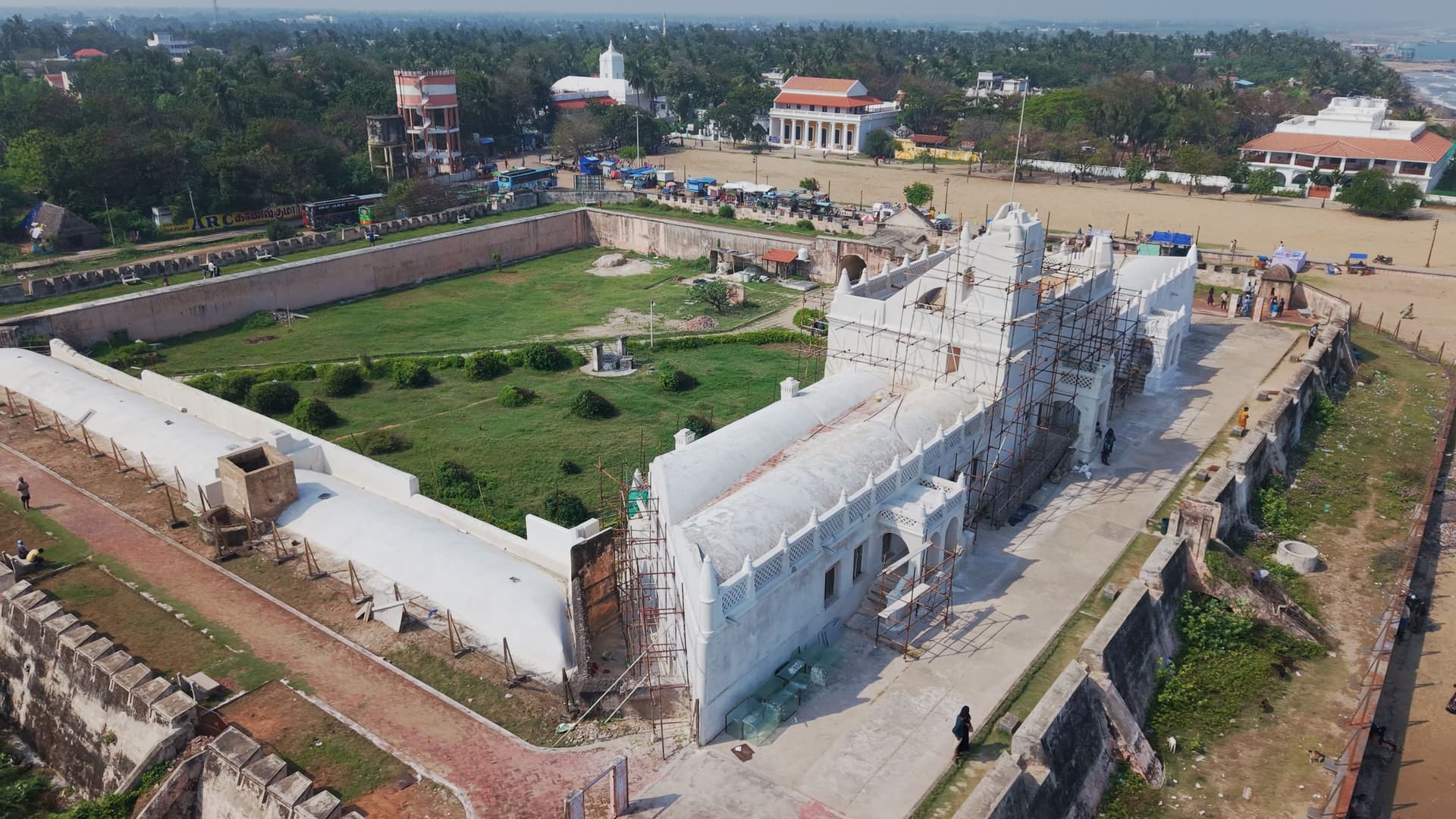
In 1620, the Danish East India Company built a trading fort on the Coromandel Coast and stayed for 225 years. Cobbled streets, colonial villas, a church from 1718, and Dansborg Fort, where the world’s oldest national flag once flew. No other Indian coastal town looks like this.
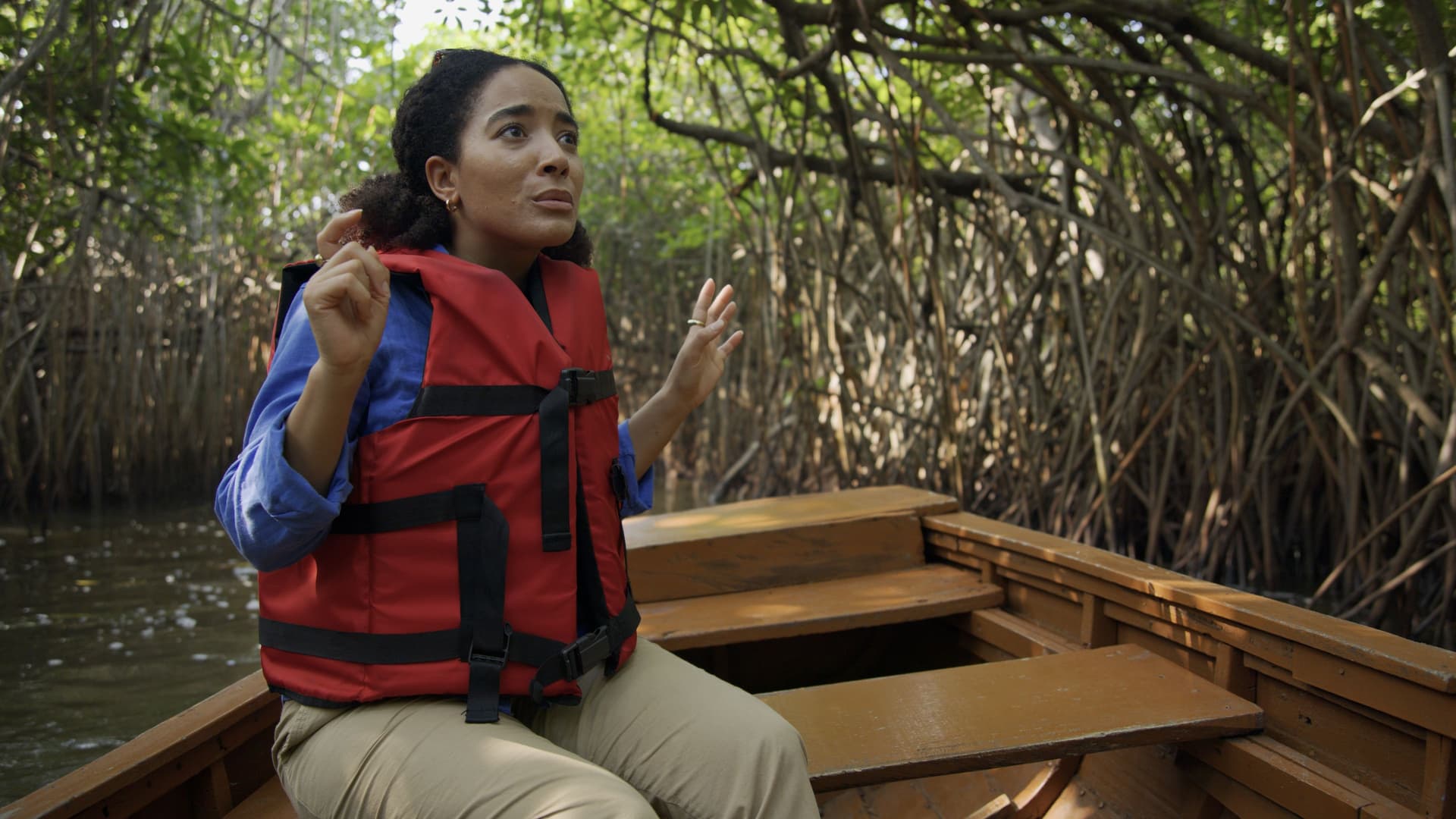
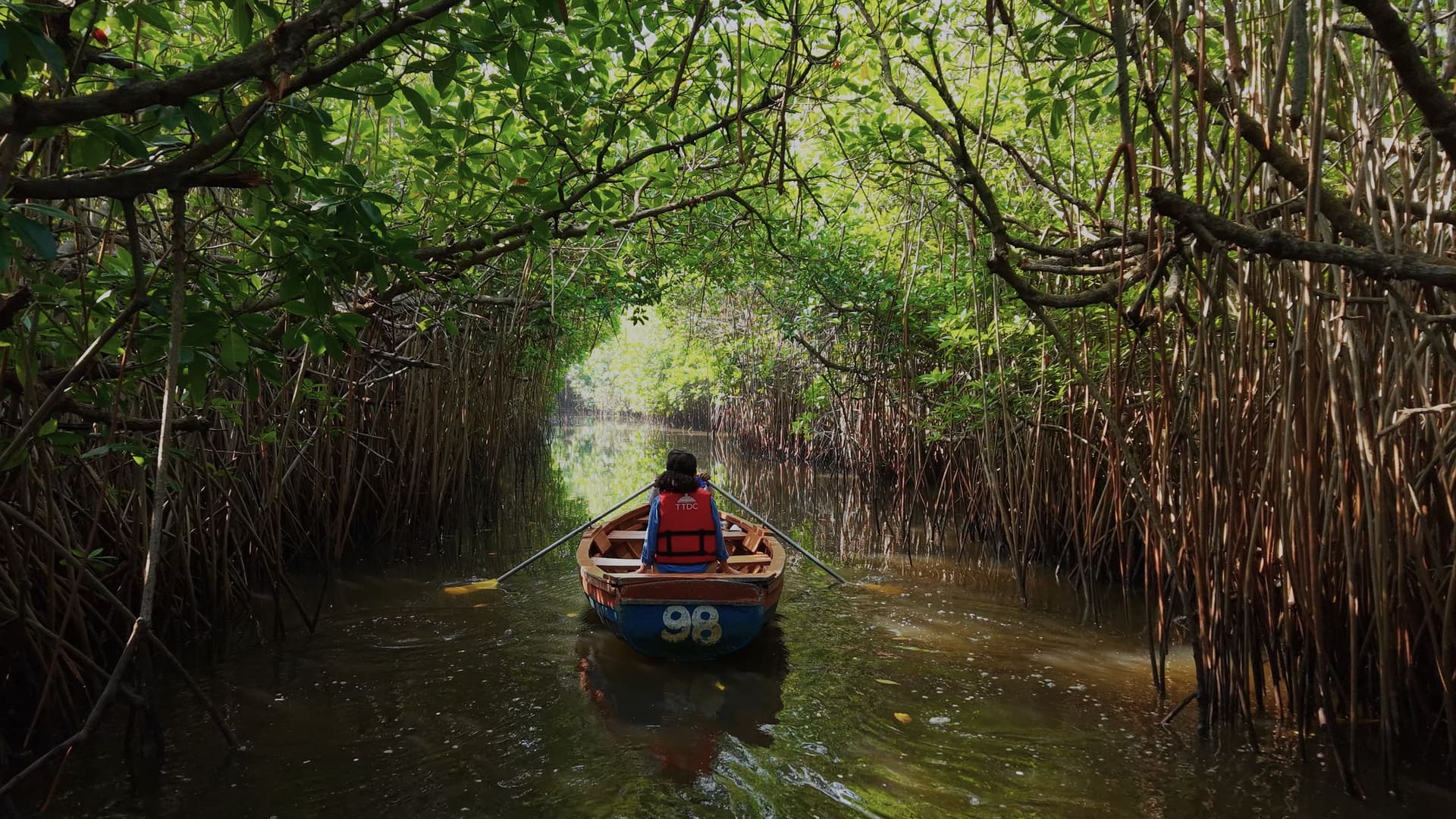
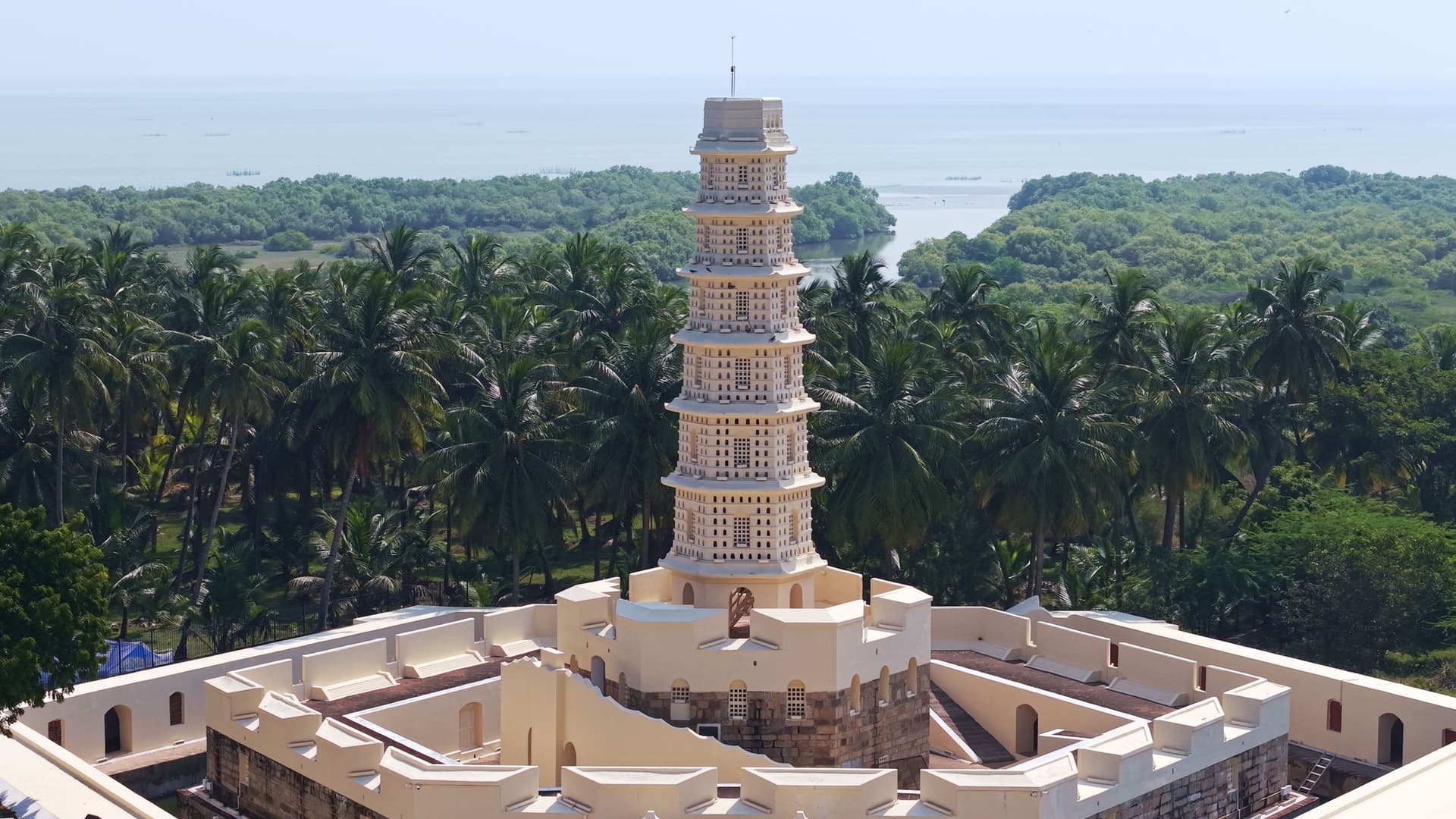
The second largest mangrove ecosystem in the world. You navigate it by flat-bottomed wooden boat beneath a cathedral of aerial roots. No paths. No noise. Only water, roots, and birds. Mangroves absorb 4x more carbon than rainforests.
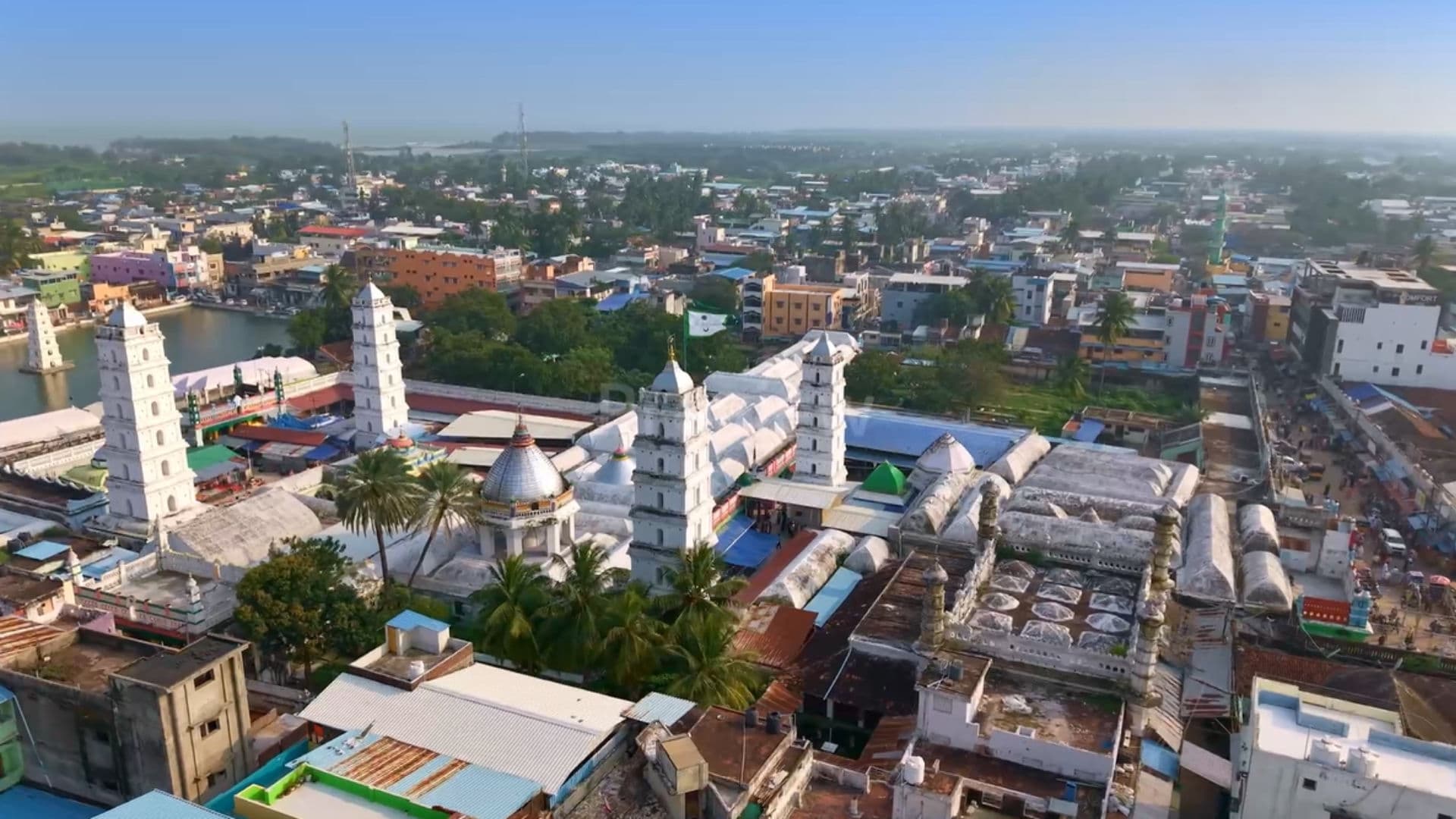
Built for a 16th-century Persian Sufi saint, worshipped by Hindus, Muslims and Christians ever since. Five minarets. A tomb that grants wishes. An urs that fills the coastline with over 100,000 pilgrims. Tamil pluralism is not a political value, it’s an old, seaside fact.
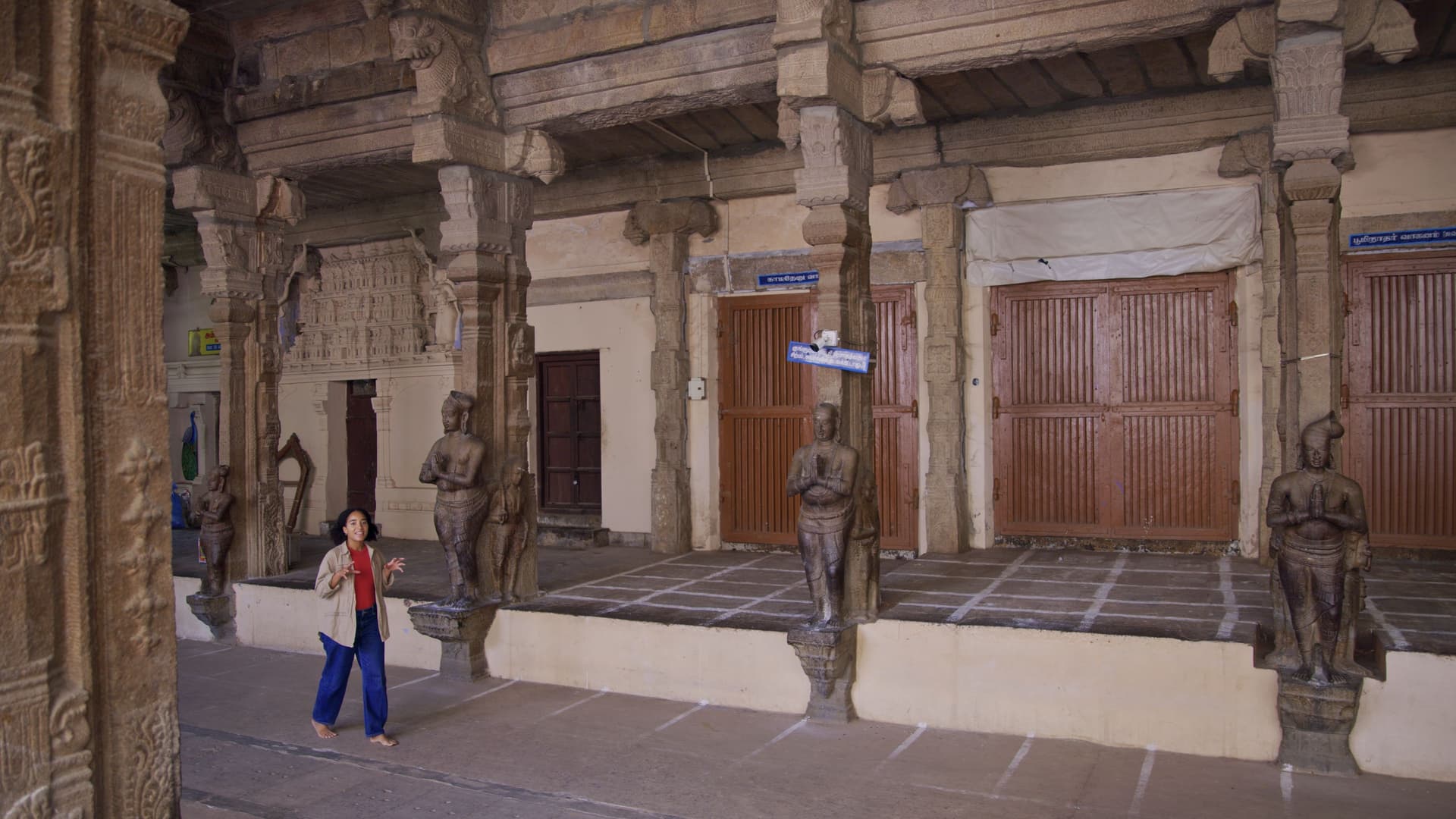
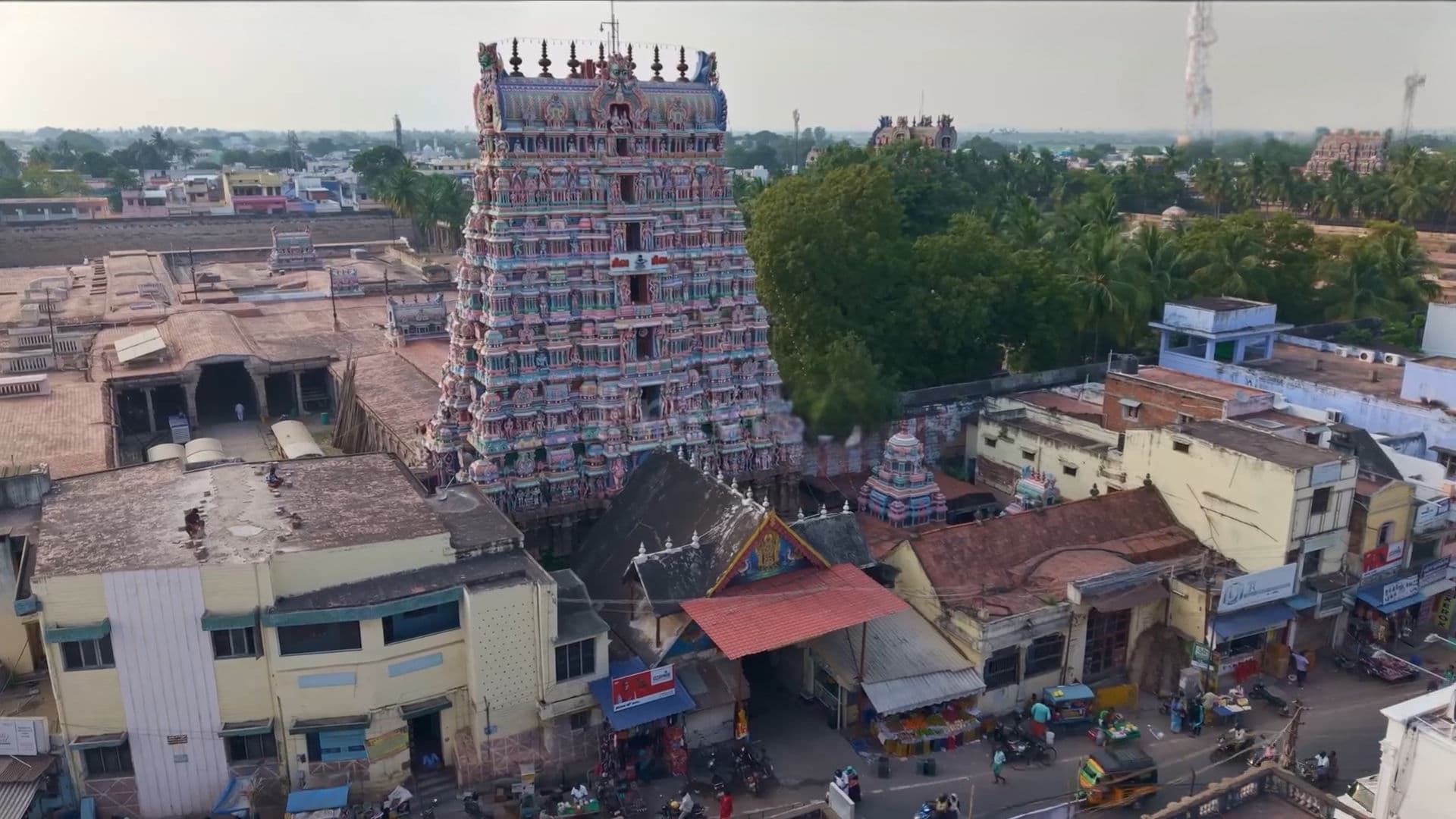
At the Nellaippar Temple, 48 pillars carved from a single granite rock produce distinct musical notes when struck. Built over 2,000 years ago, each column is tuned to a precise pitch of the Carnatic scale, a technique that has never been fully explained or replicated.