Best Time to Visit Manali: Complete Season-by-Season Guide 2026
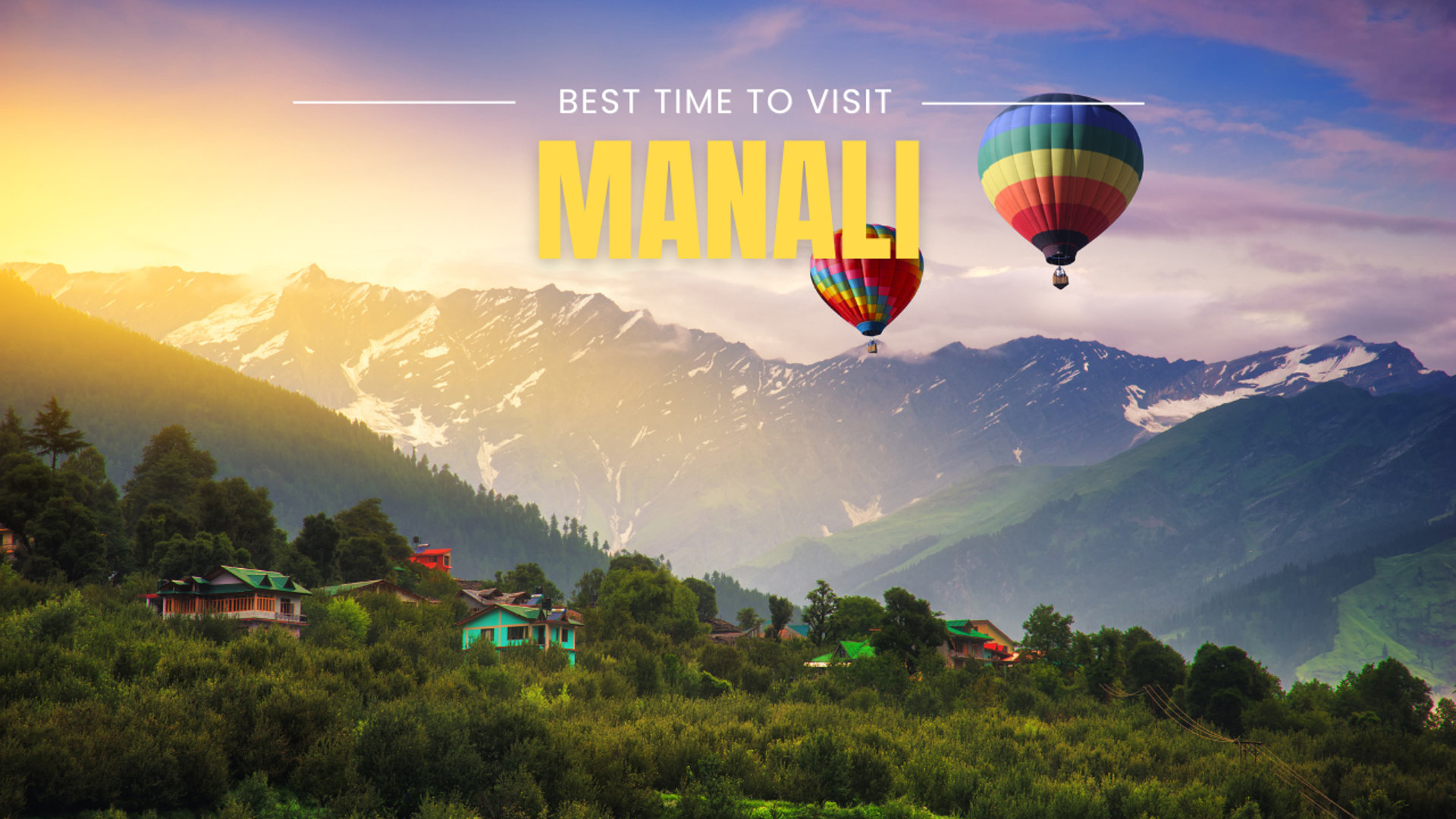
The best time to visit Manali is October to February, when the valley transforms into a snow-covered paradise perfect for skiing, snowboarding, and romantic getaways with temperatures ranging from -5°C to 20°C. October-November offers stunning autumn colors and excellent trekking conditions, while December to February delivers heavy snowfall ideal for winter sports enthusiasts and honeymooners.
This peak season combines breathtaking Himalayan views, thrilling snow activities, and cozy mountain experiences, though it requires advance booking and comes with higher prices. For those seeking adventure without extreme cold, late October and early November provide the perfect balance.
Table of Contents
- Why Timing Matters for Your Manali Trip
- What Is the Best Time to Visit Manali?
- Manali in Summer (March–June)
- Manali in Monsoon (July–September)
- Autumn in Manali (October–November)
- Manali in Winter (December–February)
- Conclusion
- Frequently Asked Questions About Visiting Manali
Why Timing Matters for Your Manali Trip
Nestled at 2,050 meters (6,726 feet) in the Indian Himalayas, Manali transforms dramatically with each season. This breathtaking hill station offers diverse experiences year-round—from snow-covered peaks and adrenaline-pumping winter sports to flower-filled valleys and thrilling summer adventures. Understanding Manali's seasonal climate helps you plan activities, pack appropriately, and maximize your vacation experience.
Whether you're seeking adventure sports, honeymoon romance, family fun, or spiritual solace, this comprehensive guide reveals the best time to visit Manali for your specific travel goals.
What is the best time to visit Manali?
October to February is the best time to visit Manali for snow and winter experiences. During this period, the weather is cold, with temperatures ranging between -1°C to 15°C. The snow-covered landscapes and crisp mountain air are perfect for experiencing snowfall in Solang Valley, skiing in Rohtang Pass (when accessible), or enjoying cozy stays in Old Manali.
October to February is best for visiting Manali with your family and friends. It offers an enchanting experience, from autumn colors to heavy winter snowfall, having cold weather, adventure opportunities, and breathtaking Himalayan views.
During this time, Manali provides unique opportunities to immerse yourself in the region's natural beauty and adventure sports. Whether you are skiing in Solang Valley, experiencing snowfall in Manali town, or enjoying riverside cafes in Old Manali, making it perfect for honeymooners and adventure seekers, making it truly an unforgettable time to explore the "Valley of Gods."
Manali in Summer (March–June)
Summer in Manali, from March to June, offers pleasant and comfortable weather making it the most popular tourist season as travelers escape the scorching heat of the plains. The temperature in Manali during summer ranges between 10°C to 25°C, with comfortable days and cool evenings perfect for sightseeing and adventure activities. This is peak tourist season with maximum footfall, especially in May-June when schools break for summer vacation
Why Visit Manali in Summer?
- Perfect Weather: Comfortable temperatures ideal for sightseeing and all outdoor activities without extreme cold.
- Peak Adventure Season: Paragliding, river rafting, trekking, and camping in full swing across Solang Valley and beyond.
- Rohtang Pass Opens: Accessible from late May/June onwards for snow activities and high-altitude experiences at 3,978m.
- Cool Escape from Heat: Pleasant retreat when plains experience 40°C+ temperatures, with daytime temps around 20°C-25°C.
Things to Do in Manali During Summer
- Visit Rohtang Pass – Enjoy snow activities, photography, and high-altitude adventure at this iconic mountain pass (accessible late May onwards, requires permit).
- Paragliding in Solang Valley – Soar above the valley with panoramic views of snow-capped peaks and green meadows, with professional instructors available.
- River Rafting in Beas River – Experience thrilling white-water rafting from Pirdi to Jhiri with Grade II-III rapids suitable for beginners and enthusiasts.
- Attend Hadimba Devi Fair – Experience the traditional festival in May at Hadimba Temple with folk dances, cultural performances, and local festivities.
Manali in Monsoon (July-September)
Manali experiences monsoon rains from July to September, bringing occasional showers and lush green landscapes. The temperature in Manali during monsoon ranges between 10°C to 20°C, with cool weather and increased humidity. While the rainfall is not as heavy as other hill stations, July and August can see moderate showers that occasionally disrupt travel with landslides on the highways.
Why Visit Manali in Monsoon?
- Lush Green Landscapes: Monsoon transforms the valley into an emerald paradise with fresh vegetation and blooming wildflowers.
- Fewer Crowds & Lower Prices: Off-season rates with 20-40% discounts on accommodations and activities.
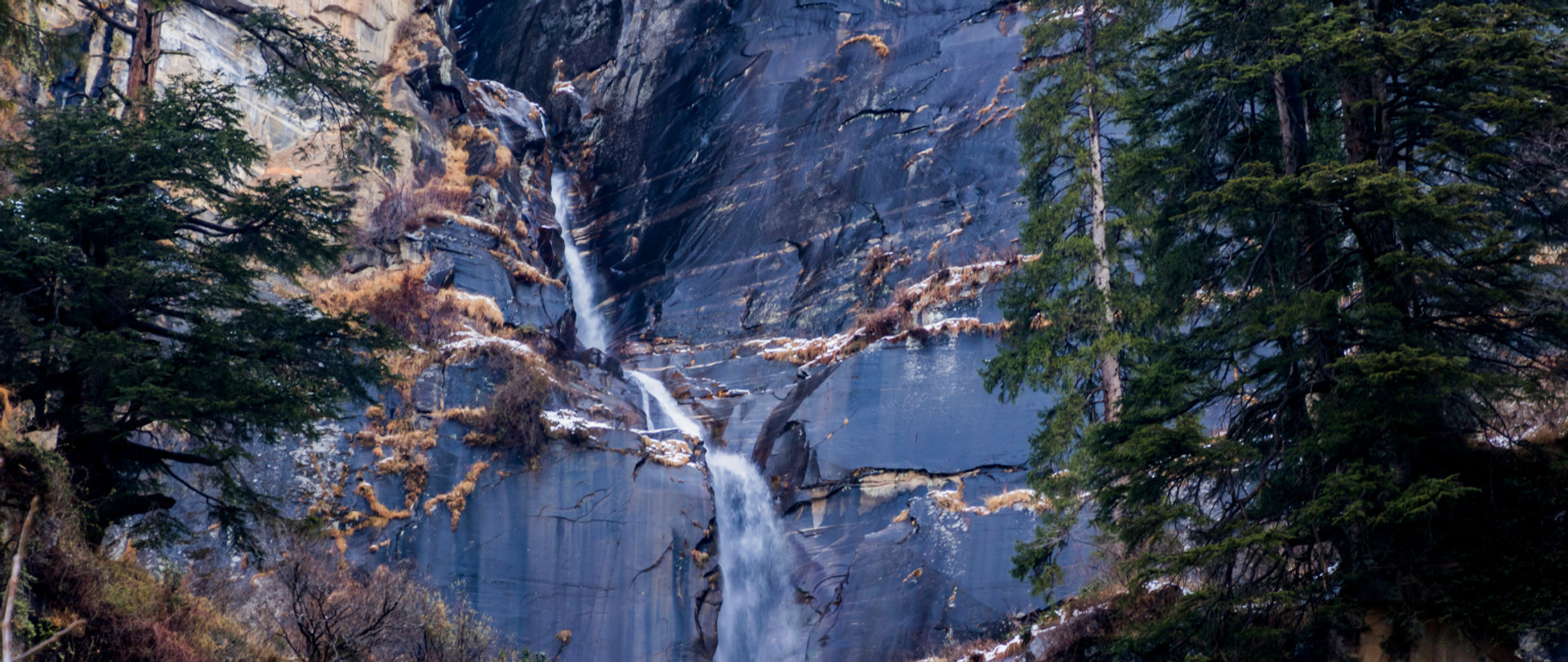
- Waterfalls at Their Best: Jogini Falls, Rahala Falls, and other cascades flow with maximum water volume creating spectacular views.
- Peaceful Atmosphere: Enjoy Manali's beauty without the summer tourist rush, perfect for couples and solo travelers.
Things to Do in Manali During Monsoon
- Explore Old Manali Cafes – Relax in riverside cafes with hot coffee, enjoy live music, and experience the cozy monsoon atmosphere in backpacker hub.
- Trek to Jogini Waterfall – Witness the waterfall at full force with a moderate 3 km trek through misty pine forests offering spectacular monsoon views.
- Visit Naggar Castle – Explore this 15th-century heritage hotel with stunning valley views, traditional Himachali architecture, and art galleries.
- Experience Hot Springs at Vashisht – Enjoy natural hot water baths at Vashisht Temple, perfect for relaxation during the cool, rainy weather.
Autumn in Manali (October–November)
Autumn in Manali, from October to November, brings crisp weather and stunning landscapes as temperatures drop and winter approaches. The temperature generally ranges between 4°C to 15°C during autumn in Manali, with early snowfall possible in late November at higher altitudes. The clear skies, comfortable days, and golden landscapes make it one of the best seasons for photography and sightseeing.
Why Visit Manali in Autumn?
- Pleasant Weather: Cool temperatures perfect for all outdoor activities without summer crowds or extreme winter cold.
- Clear Mountain Views: Post-monsoon clarity offers stunning views of Himalayan peaks with excellent visibility for photography.
- Kullu Dussehra Festival: Experience the week-long international festival (October 2-8, 2025) with over 330 deities, processions, and cultural performances.
- Fewer Tourists: Pre-winter period sees fewer tourists compared to peak summer and winter seasons, offering better rates.
Things to Do in Manali During Autumn
- Attend Kullu Dussehra – Witness the grand week-long festival starting October 2, 2025, with colorful processions, traditional dances, and Rath Yatra at Dhalpur Maidan.
- Trek to Bhrigu Lake – Complete this stunning 3-day trek to the high-altitude glacial lake at 4,300m with autumn's perfect weather and clear skies.
- Photography at Solang Valley – Capture autumn colors in meadows with snow-capped peaks backdrop and pleasant temperatures for outdoor photography.
- Explore Kasol and Tosh – Visit these scenic villages in Parvati Valley with comfortable trekking weather, fewer crowds, and beautiful autumn landscapes.
Explore and book hotels in Manali with Travelxp for best rates. Manali in Winters (December–February)
Winter in Manali, from December to February, is the snow season, with heavy snowfall transforming the region into a white wonderland. The temperature generally ranges between -7°C to 10°C during winters in Manali, with higher altitudes experiencing extreme cold dropping to -15°C. Manali town receives good snowfall, especially in January-February, while Rohtang Pass remains closed due to heavy snow accumulation.
Why Visit Manali in Winter?
- Heavy Snowfall: Experience real Himalayan winter with 2-4 feet of snow in Manali town, especially in January-February (peak snowfall months).
- Winter Sports Paradise: Skiing, snowboarding, and snow activities in Solang Valley with equipment rentals and professional instructors available.
- Romantic Snowy Getaway: Perfect for honeymooners seeking snow-covered landscapes and cozy stays in heated accommodations.
- Manali Winter Carnival: Vibrant 5-day festival in mid-January featuring cultural performances, winter sports competitions, and local festivities.
Things to Do in Manali During Winter
- Skiing in Solang Valley – Learn skiing or snowboarding with professional instructors on well-maintained slopes with equipment rentals (₹1,500-3,000 per day).
- Snowfall Experience in Manali Town – Witness snowfall on Mall Road, enjoy snow activities in Van Vihar, and experience winter magic in the Himalayas.
- Attend Manali Winter Carnival – Join the grand 5-day festival in mid-January with cultural shows, skiing competitions, winter queen contest, and local celebrations.
- Visit Atal Tunnel – Explore the world's longest high-altitude tunnel (9.02 km) at 3,100m, providing all-weather access to Lahaul-Spiti Valley.
Conclusion
Manali is a captivating destination that offers something unique in every season. Whether you visit during the pleasant summer months (March–June) for adventure activities and comfortable weather, the lush monsoon season (July–September) for peaceful green landscapes, the clear autumn weather (October–November) for festivals and photography, or the snowy winter months (December–February) for magical snowfall experiences, Manali never fails to enchant travelers.
For those seeking adventure and outdoor activities, March to June is perfect, with pleasant weather (10°C-25°C) and all attractions accessible including the famous Rohtang Pass. If you're looking for snow and winter experiences, December to February offers heavy snowfall, winter sports, and romantic snowy getaways. Autumn provides the best balance with clear skies, comfortable temperatures, and the spectacular Kullu Dussehra festival. So, pack your bags and get ready to explore the "Valley of Gods" in your favorite season!
Frequently Asked Questions
1. What is the best month to visit Manali?
May and June are the most popular months with pleasant weather (15°C–25°C) perfect for all activities and Rohtang Pass access. For snow lovers, January and February offer heavy snowfall and winter sports. For fewer crowds and comfortable weather, March-April or October-November are ideal with temperatures between 10°C-20°C.
2. When does it snow in Manali?
Manali typically receives snowfall from mid-December to early March, with January and February seeing the heaviest snow (2-4 feet accumulation in town). Higher altitudes like Solang Valley and Gulaba experience snow from late November onwards. December starts with light snow, while peak snowfall occurs mid-January through February.
3. Is Manali worth visiting in monsoon?
Yes, Manali can be beautiful in monsoon (July-September) with lush green landscapes, fewer crowds, and lower prices (20-40% off accommodations). However, be prepared for occasional rain, potential landslides on highways, and limited visibility. Best for budget travelers and those who enjoy peaceful, rain-washed mountain experiences away from tourist crowds.
4. How many days are enough for Manali trip?
4-5 days is ideal: Day 1 in Manali local sightseeing (Hadimba Temple, Mall Road, Old Manali, Vashisht), Day 2 in Solang Valley for adventure sports and gondola rides, Day 3 excursion to Rohtang Pass (if season permits and permit obtained) or Atal Tunnel, Day 4-5 exploring Kasol-Manikaran or Naggar Castle and nearby attractions.
5. What is the coldest month in Manali?
January is the coldest month with temperatures ranging from -7°C to 5°C in Manali town, and dropping to -15°C at higher altitudes like Solang Valley, Gulaba, and Kothi. December and February are similarly cold with heavy snowfall. Nights are particularly freezing, with temperatures often below zero throughout January.
6. Can I visit Rohtang Pass in winter?
No, Rohtang Pass (3,978m) closes from mid-October to late May/early June due to heavy snowfall (10-15 feet) and dangerous avalanche-prone conditions. It's accessible only from late May/June to October, with mandatory online permits (₹500 per vehicle, limited daily quota). For snow activities in winter, visit Solang Valley instead, which remains accessible year-round.
7. What should I pack for Manali in winter?
Heavy winter clothing including thermal wear (2-3 sets), down jacket or heavy woolen coat, multiple woolen layers, waterproof snow boots with good grip, thick gloves, woolen cap, muffler/scarf, sunglasses (snow glare protection), high SPF sunscreen, moisturizer and lip balm (dry air), hand warmers, and waterproof bags for electronics that drain quickly in cold.
8. Is Manali expensive for tourists?
Manali offers options for all budgets: Budget travel ₹1,500-3,000 per day (hostels/dorms, local dhabas, shared cabs), Mid-range ₹4,000-8,000 per day (comfortable hotels, good restaurants, private transport share), Luxury ₹12,000-30,000+ per day (resorts, fine dining, private vehicles with heated cars). Peak seasons (May-June and December-February) are 40-50% more expensive than off-season.
9. When is Kullu Dussehra celebrated?
Kullu Dussehra 2025 will be celebrated from October 2-8, 2025 (7 days), starting on Vijayadashami. Unlike rest of India where Dussehra ends on this day, Kullu Dussehra begins then. The international festival features over 330 village deities gathering at Dhalpur Maidan in Kullu, with grand Rath Yatra processions, traditional Nati dances, folk performances, and cultural celebrations. Book accommodations 3-4 months in advance.
10. What is the best time for adventure activities in Manali?
March to June and September to November are best for adventure activities. River rafting: May-June (best water levels in Beas River), Paragliding: March-June and September-November (clear weather, stable thermals), Trekking: May-October (accessible trails, pleasant weather), Skiing and snowboarding: January-February (best snow conditions in Solang Valley). Rohtang Pass activities: June-September only.
11. Do I need permits to visit Manali?
No permits required for Manali town, Solang Valley, Kullu Valley, Old Manali, or most tourist areas. However, Rohtang Pass requires mandatory online permit (₹500 per vehicle for petrol/CNG, ₹1,000 for diesel) obtained through Himachal Pradesh government website. Only 1,200 vehicles allowed daily (800 for tourists, 400 for locals). Book 1-2 days in advance, especially on weekends. Atal Tunnel requires no permit.
12. Can I see snow in Manali in November?
Late November may see early snowfall at higher altitudes like Solang Valley (above 2,800m), Gulaba, and Kothi, but Manali town (2,050m) typically doesn't receive snow until mid-to-late December. November offers cold weather (2°C–15°C) with a 20-30% chance of light snow, but reliable heavy snowfall is from mid-December onwards, with peak snow in January-February. Visit Solang Valley for better snow chances in late November.