10 Best Places to Visit in Vietnam: Complete 2026 Travel Guide
Vietnam offers incredible diversity from Ha Long Bay's limestone karsts and Hanoi's ancient streets to Hoi An's lantern-lit charm and Phu Quoc's tropical beaches. The best time to visit is November to April for dry, pleasant weather across most regions, with highlights including UNESCO World Heritage Sites, vibrant floating markets in the Mekong Delta, and mountain treks through Sapa's terraced rice fields. Budget-friendly and rich in culture, Vietnam combines French colonial architecture, war history museums, pristine coastlines, and world-class street food into one unforgettable Southeast Asian adventure perfect for all traveler types.
Why Vietnam Should Be Your Next Travel Destination
Vietnam is a land of striking contrasts where ancient temples meet modern cities, emerald mountains roll into rice paddies, and tropical beaches stretch along 3,260 km of coastline. From the bustling streets of Hanoi to the peaceful landscapes of Ha Long Bay, Vietnam offers rich history, vibrant culture, and stunning natural beauty at incredibly affordable prices.
Whether you're wandering through lantern-lit alleys in Hoi An, exploring limestone karsts in Ninh Binh, tasting legendary street food in Ho Chi Minh City, or trekking through ethnic villages in Sapa, Vietnam delivers endless unforgettable experiences. With 8 UNESCO World Heritage Sites and landscapes ranging from tropical islands to misty mountains, this Southeast Asian gem deserves a top spot on your travel bucket list.
Quick Vietnam Travel Facts
- Best Time to Visit: November to April (dry season)
- Currency: Vietnamese Dong (VND) | $1 ≈ 24,000 VND ≈ ₹85
- Language: Vietnamese (English widely spoken in tourist areas)
- Budget: $30-50/day for mid-range travel
- Must-Try: Pho, banh mi, egg coffee, fresh spring rolls
- Visa: E-visa available for 90 days for most nationalities
Planning your adventure? Explore Vietnam sightseeing tours and book the best travel experiences on Travelxp.com. 10 Best places to visit in Vietnam
1. Ha Long Bay
Why Ha Long Bay is Vietnam's Most Iconic Destination
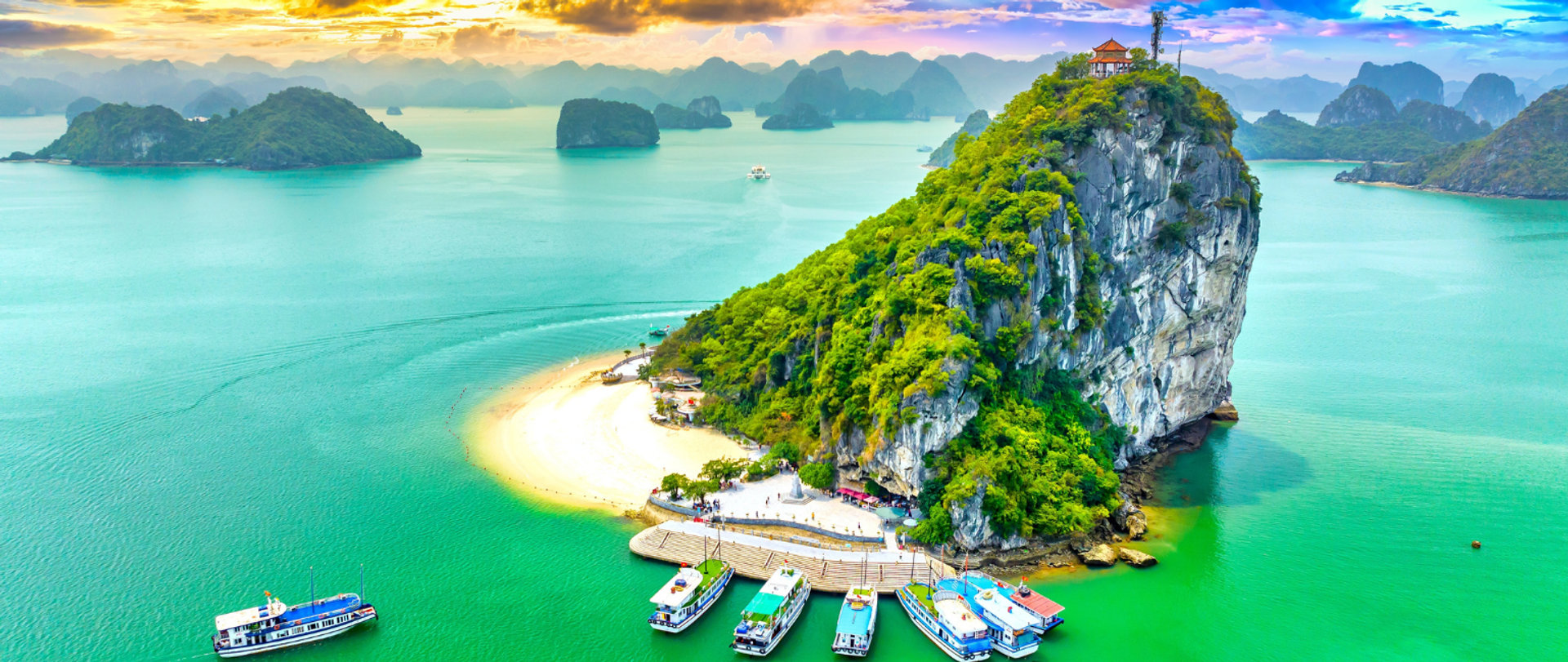
Ha Long Bay, a UNESCO World Heritage Site, stands as one of the most breathtaking Vietnam tourist attractions. With over 1,600 limestone islands and islets rising dramatically from emerald waters, this natural wonder looks like a scene from a fantasy movie. The name translates to "Descending Dragon Bay," inspired by ancient legends of dragons who descended to defend Vietnam, creating the bay's spectacular landscape with their tails.
Located in northeastern Vietnam, the bay covers approximately 1,553 square kilometers and features stunning geological formations, hidden caves, floating fishing villages, and pristine beaches that have captivated travelers for centuries.
Things to Do in Ha Long Bay
- Take a cruise through the bay.
- Kayak into hidden caves and lagoons.
- Visit floating fishing villages.
- Relax on Ti Top Island’s beach.
Best Time to Visit Ha Long Bay
- Ideal Season: October to April
- Perfect Months: March-April and October-November
Pricing & Booking
- Day cruise: $35–$50 (Approx. ₹2,900–₹4,200).
- Overnight cruise: $100+ (Approx. ₹8,500+).
2. Hanoi – Vietnam's Timeless Capital
Discover the Heart of Vietnamese Culture
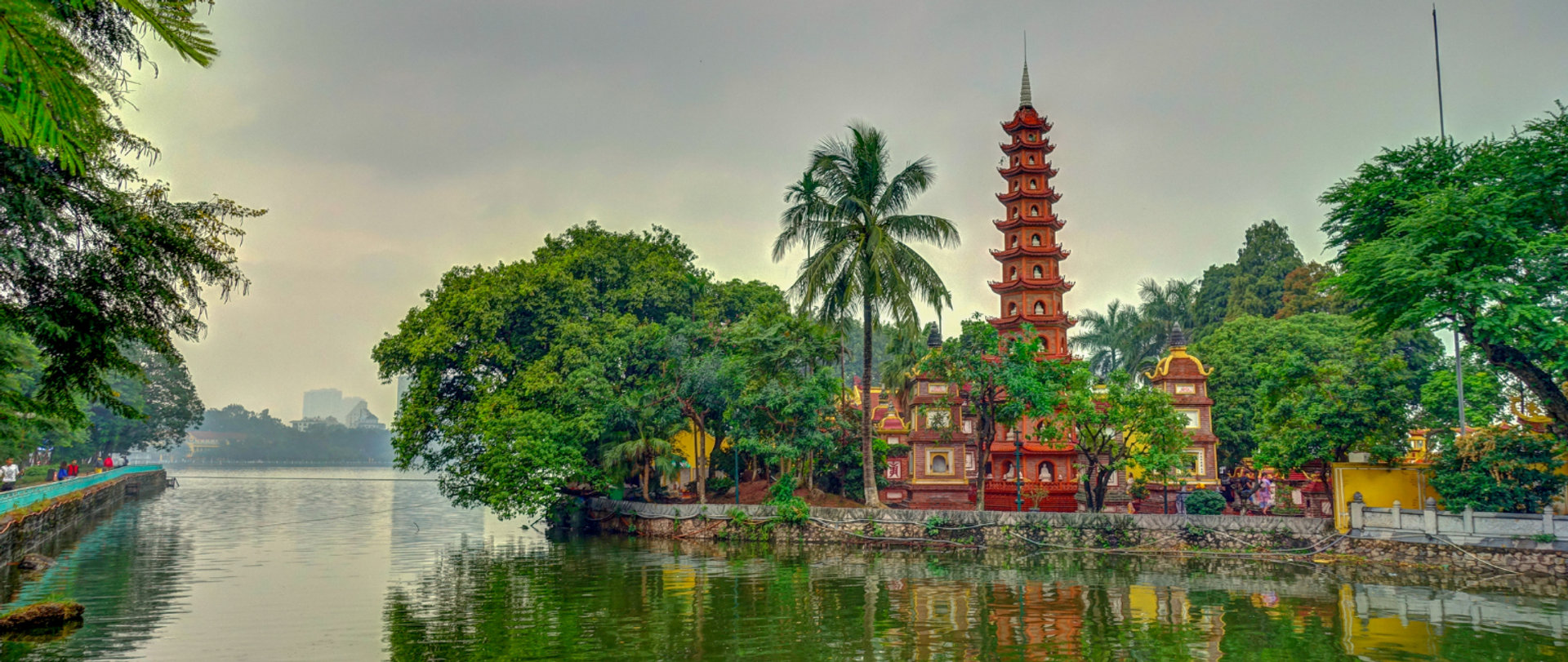
Hanoi, Vietnam's capital for over 1,000 years, masterfully blends old-world charm with modern energy. As one of the best places to visit in Vietnam, Hanoi offers rich history through ancient temples, French colonial architecture, tree-lined boulevards, and the chaotic charm of the Old Quarter with its 36 narrow streets named after traditional trades.
This city of lakes and parks provides a slower pace than Ho Chi Minh City, allowing visitors to savor Vietnam's cultural depth through museums, traditional performances, and legendary street food culture.
Things to Do in Hanoi
- Stroll around Hoan Kiem Lake.
- Visit the Temple of Literature.
- Watch a traditional water puppet show.
- Sip egg coffee in a hidden café.
Best Time to Visit Hanoi
- Ideal Months: October to December
- Also Good: March to April (spring season)
Pricing & Booking
- Attraction entry: $1–$5 (Approx. ₹85–₹425).
- Water puppet show: $5 (Approx. ₹425).
3. Hoi An – Ancient Town of Lanterns
Step Into a Living Museum
Hoi An is a beautifully preserved riverside town that feels frozen in time. This UNESCO World Heritage Site showcases well-preserved architecture from the 15th-19th centuries when it served as a major Southeast Asian trading port. As one of the most photogenic best places to visit in Vietnam, Hoi An offers a peaceful, romantic escape with its iconic colorful lanterns, riverside cafés, and pedestrian-friendly streets.
The entire Ancient Town glows magical after dark when thousands of silk lanterns illuminate yellow colonial buildings, creating one of Asia's most photographed scenes.
- Walk through the lantern-lit Old Town.
- Take a cooking class.
- Visit traditional tailor shops.
- Enjoy a boat ride on the Thu Bon River.
Best Time to Visit Hoi An
- Perfect Months: February to May
- Also Good: September to November
- Old Town entry pass: $5 (Approx. ₹425).
- Boat rides: $3–$10 (Approx. ₹250–₹850).
Book your Hoi An cultural trip on Travelxp.com. 4. Ho Chi Minh City (Saigon) – Modern Metropolis with Historic Soul
Ho Chi Minh City, formerly Saigon, pulses with energy as Vietnam's largest city and economic center. This modern metropolis offers a fascinating contrast to Hanoi's traditional charm, blending gleaming skyscrapers with colonial architecture and war-era museums. As one of the best places to visit in Vietnam for vibrant street life, historic landmarks, and culinary adventures, HCMC provides an urban experience unlike anywhere else in the country.
The city never sleeps—from early morning markets to late-night rooftop bars, there's always something happening in this dynamic city of 9 million people.
Things to Do in Ho Chi Minh City
- Explore the Cu Chi Tunnels.
- Visit the War Remnants Museum.
- Try Vietnamese street food at Ben Thanh Market.
- Sip cocktails at a rooftop bar.
Best Time to Visit Ho Chi Minh City
- Ideal Season: December to April (dry season)
- Perfect Months: December to February
Pricing & Booking
- Cu Chi tour: $25 (Approx. ₹2,125).
- Museums: $1–$2 (Approx. ₹85–₹170).
Find Ho Chi Minh City sightseeing packages on Travelxp.com. 5. Sapa – Terraced Rice Fields and Mountain Tribes
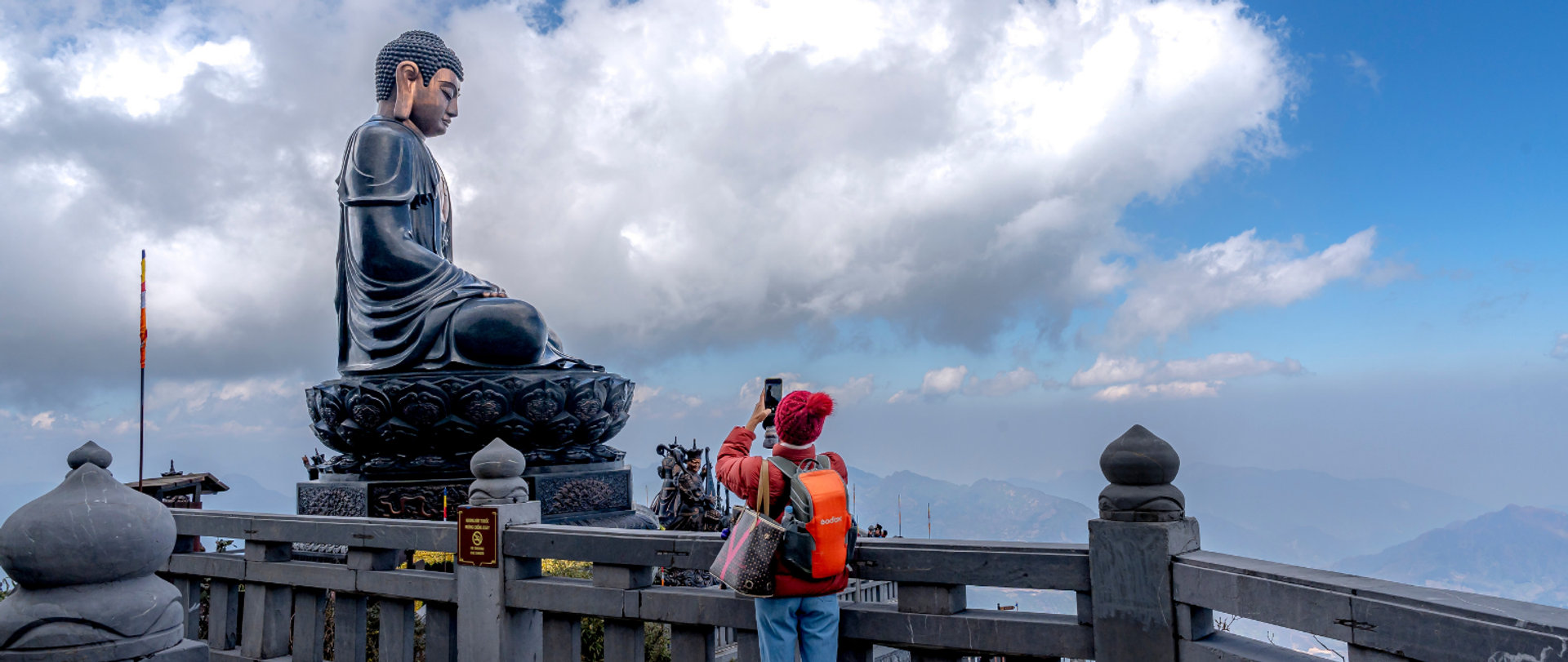
Sapa, perched at 1,600 meters in northern Vietnam's Hoang Lien Son mountains, offers breathtaking scenery and authentic cultural encounters. Famous for cascading rice terraces and ethnic minority villages, Sapa is one of the best places to visit in Vietnam for trekking, photography, and experiencing traditional mountain life. Surrounded by misty peaks (including Vietnam's highest, Fansipan at 3,143m) and lush valleys, this region provides postcard-perfect vistas at every turn.
The area is home to several ethnic groups including H'mong, Dao, Tay, and Giay people, each maintaining distinct traditional clothing, customs, and languages.
Things to Do in Sapa
- Trek through rice fields and local villages.
- Visit Cat Cat and Ta Van villages.
- Ride the cable car to Fansipan Peak.
- Explore local markets for handmade crafts.
Best Time to Visit Sapa
March to May and September to November offer the best weather and views. Avoid the rainy summer season.
Pricing & Booking
- Trekking tour: $20–$30 (Approx. ₹1,700–₹2,500).
- Cable car: $30 (Approx. ₹2,550).
6. Da Nang – Beaches, Bridges, and Ba Na Hills
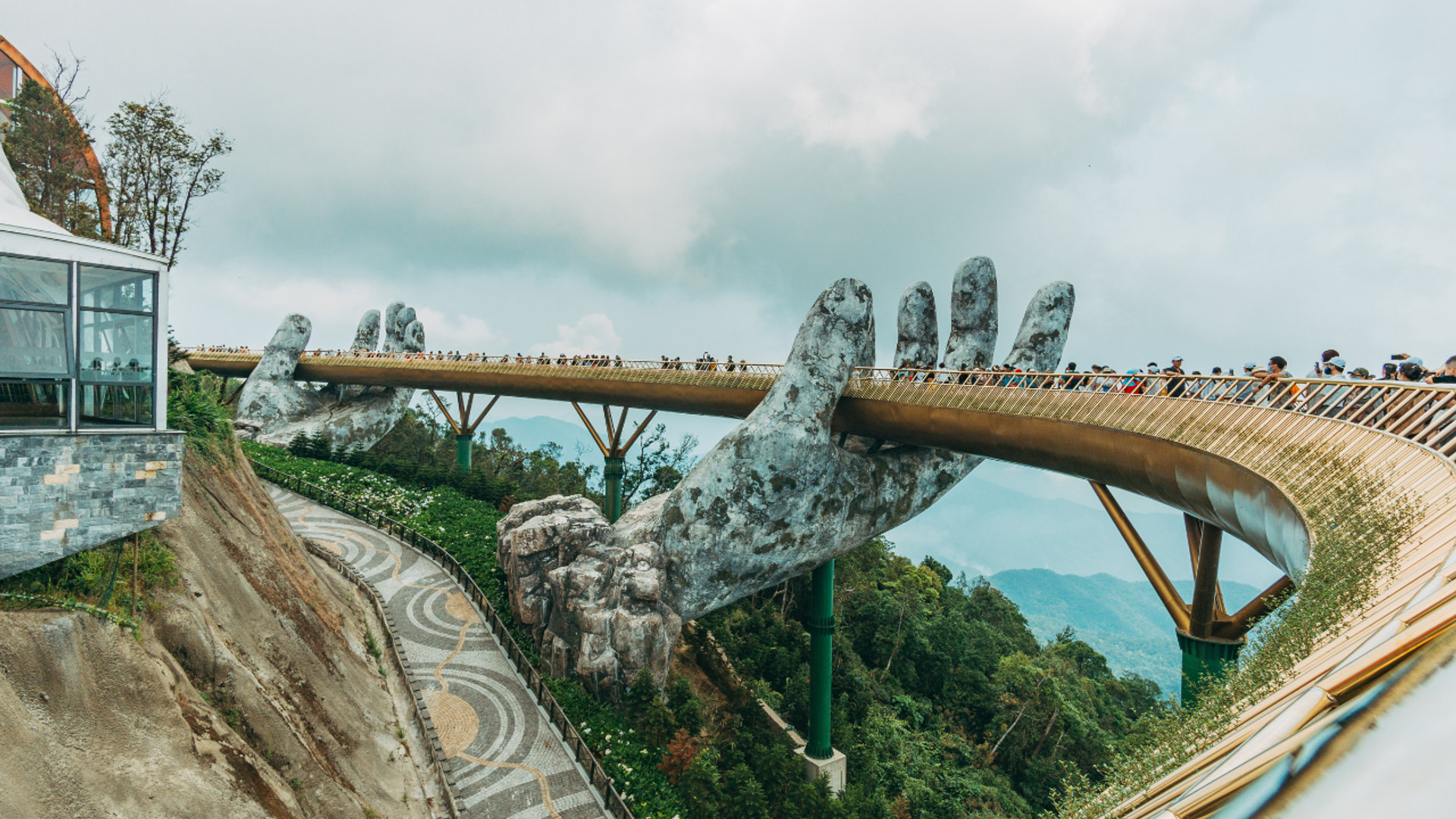
Da Nang, Vietnam's third-largest city, combines modern urban development with stunning natural attractions. Known for pristine beaches, spectacular bridges, and nearby mountain resorts, Da Nang has become one of the best places to visit in Vietnam for those seeking a mix of relaxation and adventure. The city's coastal location, efficient infrastructure, and emerging food scene make it increasingly popular among both domestic and international travelers.
The city serves as an excellent base for exploring Central Vietnam, positioned between Hue (100 km north) and Hoi An (30 km south).
- Visit Ba Na Hills and the Golden Bridge.
- Swim at My Khe Beach.
- Explore the Marble Mountains.
- Enjoy seafood by the Han River.
Best Time to Visit Da Nang
- Ideal Months: February to May
- Also Good: September to November
Pricing & Booking
- Ba Na Hills ticket: $35 (Approx. ₹2,975).
- Marble Mountains: $2 (Approx. ₹170).
7. Ninh Binh – Ha Long Bay on Land
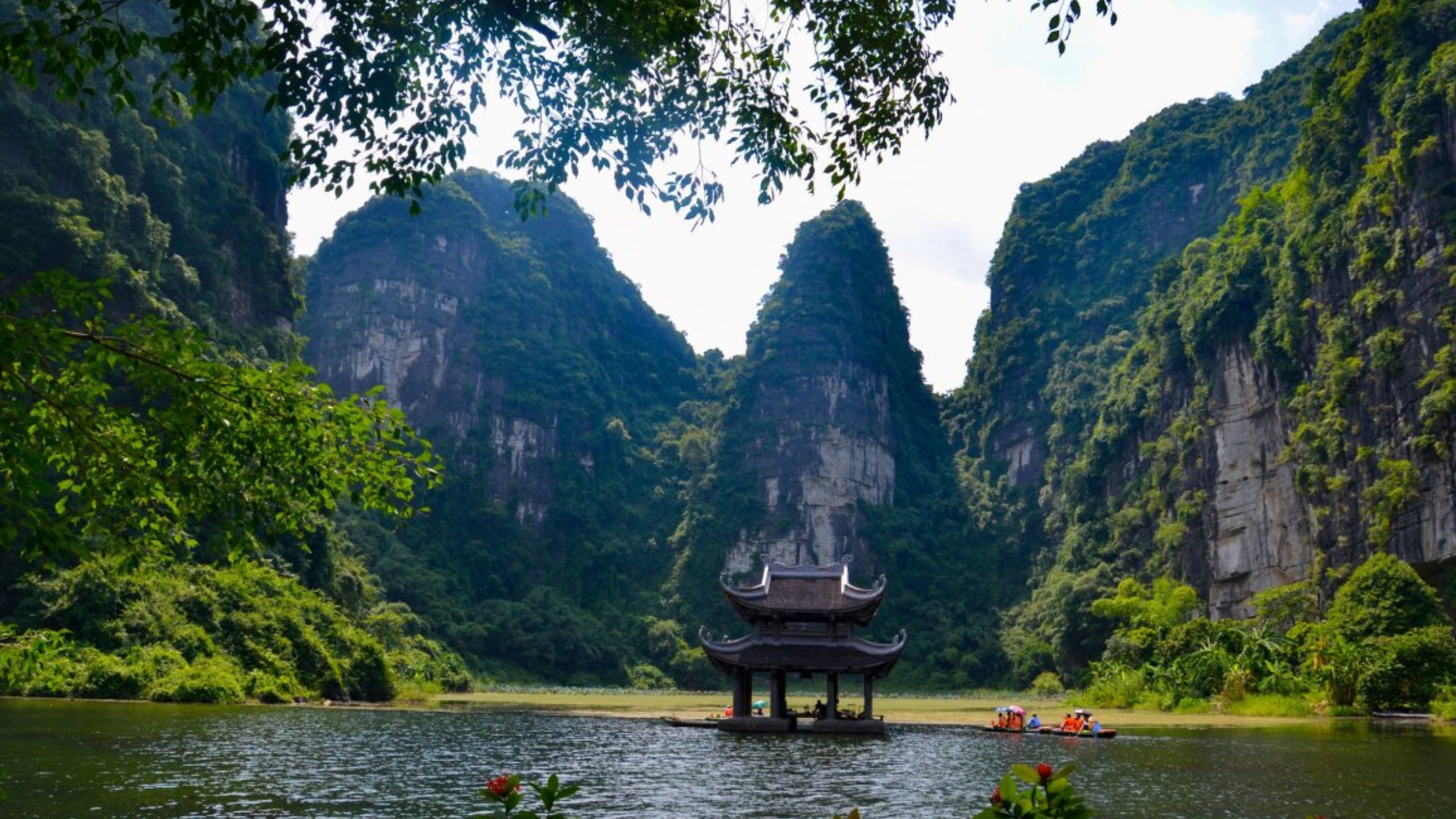
Ninh Binh, often called "Ha Long Bay on land," showcases dramatic limestone karsts rising from verdant rice paddies and tranquil rivers. Located 100 km south of Hanoi, this area offers one of Vietnam's most peaceful and photogenic experiences. Recent recognition as a UNESCO World Heritage Site (Trang An Landscape Complex) has increased its popularity, yet it remains less touristy than other major destinations.
The region combines natural beauty with historical significance, featuring ancient capitals, traditional villages, and stunning landscapes perfect for photography and relaxation.
Things to Do in Ninh Binh
- Take a boat ride at Tam Coc or Trang An.
- Climb Hang Mua Peak for panoramic views.
- Visit ancient temples in Hoa Lu.
- Cycle past rice fields and buffaloes.
Best Time to Visit Ninh Binh
Visit from January to April or September to October. Early mornings are ideal for boat tours.
Pricing & Booking
Boat ride: $5–$10 (Approx. ₹425–₹850). Hang Mua: $4 (Approx. ₹340).
Explore Ninh Binh nature tours at Travelxp.com. 8. Hue – Imperial City of Vietnam
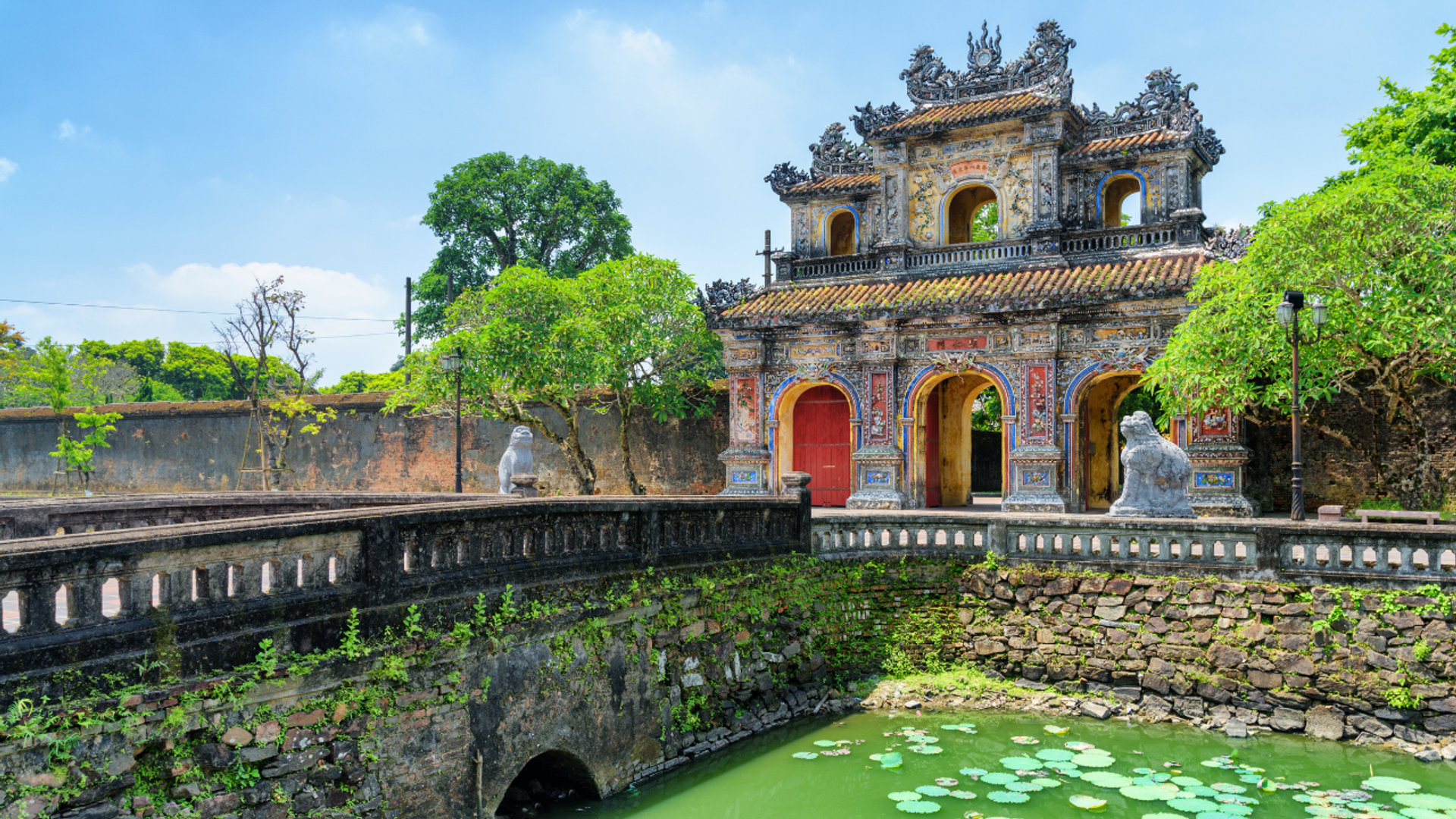
Hue, Vietnam's former imperial capital (1802-1945), stands as a treasure trove of history, culture, and royal heritage. Situated on the banks of the romantic Perfume River, Hue offers one of the best places to visit in Vietnam for those fascinated by architecture, history, and traditional culture. The city's Imperial Citadel, royal tombs, and pagodas earned it UNESCO World Heritage status in 1993.
Hue represents a quieter, more contemplative Vietnam experience compared to bustling Hanoi or Ho Chi Minh City, with a strong emphasis on preserving traditional arts, cuisine, and customs.
Things to Do in Hue
- Visit the Imperial City and Forbidden Purple City.
- Explore Thien Mu Pagoda.
- Cruise along the Perfume River.
- Try royal-style cuisine.
Best Time to Visit Hue
January to April offers dry, mild weather. Morning visits are best to avoid heat and crowds.
Pricing & Booking
- Imperial City ticket: $6.50 (Approx. ₹550).
- River cruise: $10–$15 (Approx. ₹850–₹1,275).
Discover Hue sightseeing with Travelxp.com. 9. Phu Quoc – Tropical Island Paradise
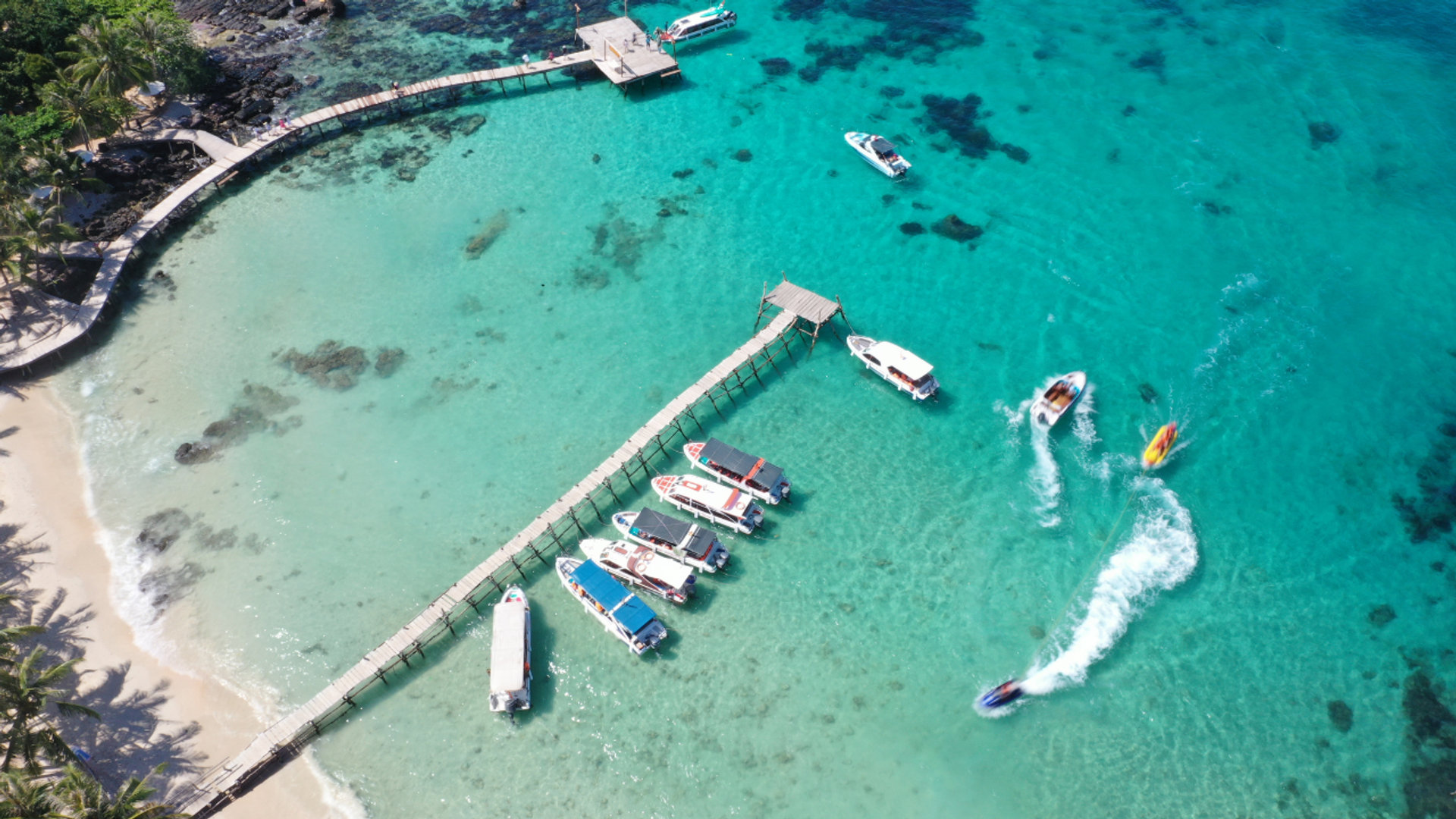
Phu Quoc is a tropical island paradise off southern Vietnam's coast. Known for white-sand beaches and clear waters, it's one of the best places to visit in Vietnam for beach getaways. The island also features forests, waterfalls, and luxury resorts.
Things to Do in Phu Quoc
- Relax on Sao Beach or Long Beach.
- Snorkel or dive at An Thoi Islands.
- Visit Phu Quoc Night Market.
- Explore Phu Quoc National Park.
Best Time to Visit Phu Quoc
- Ideal Season: November to March for sunny, dry weather
- Beach Perfect: December to February
- Avoid: Rainy season from June to October with heavy downpours.
Pricing & Booking
- Island tour: $20–$40 (Approx. ₹1,700–₹3,400).
- National park: Free entry.
10. Mekong Delta – Floating Markets and River Life
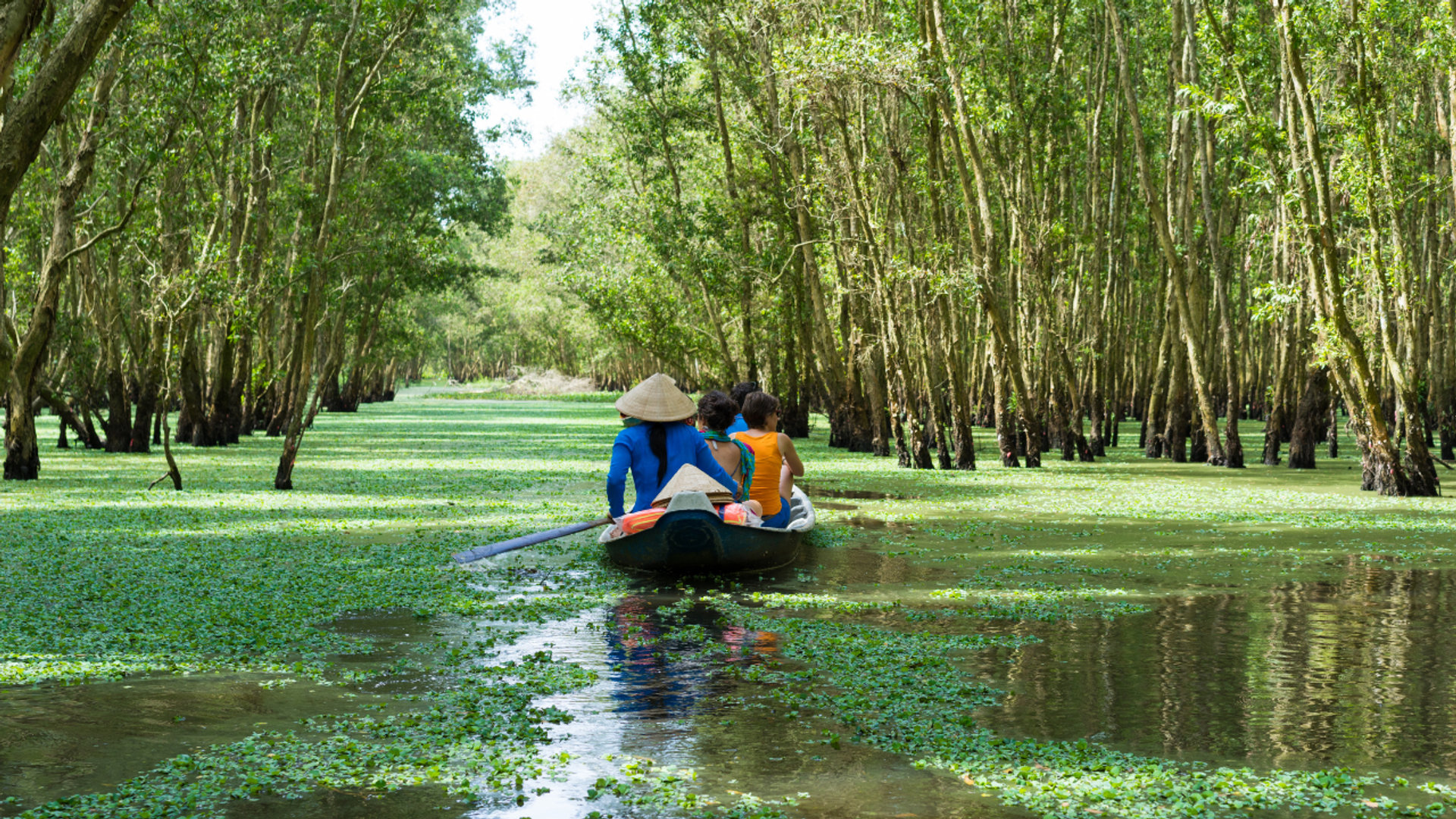
The Mekong Delta is a vast network of rivers, swamps, and floating markets in southern Vietnam. It's one of the most unique places to explore in Vietnam, offering glimpses into rural life and water-based culture. The region is Vietnam's "rice bowl," producing most of the country's agricultural output.
Things to Do Mekong Delta
- Cruise the canals and visit floating markets.
- Explore coconut farms and fruit orchards.
- Try local dishes like fish hotpot.
- Visit traditional craft villages.
Best Time to Visit Mekong Delta
- Ideal Season: November to March for cool, dry weather
- Perfect for Boat Trips: December to February
- Early Morning: Best time for visiting floating markets (6-8 AM).
- Day tour: $25–$40 (Approx. ₹2,125–₹3,400).
From the limestone cliffs of Ha Long Bay to the vibrant energy of Ho Chi Minh City, the best places to visit in Vietnam offer a blend of natural wonders, history, and unforgettable adventures. Whether you're into culture, food, or beachside relaxation, there are endless things to do in Vietnam.
Looking for hidden gems or top Vietnam tourist attractions? This guide covers the most unique places to explore in Vietnam.
Ready to go? Book your Vietnam sightseeing experience now at Travelxp.com. Frequently Asked Questions (FAQs)
1. What is the best time to visit Vietnam?
The best time to visit Vietnam is November to April when most regions experience dry, pleasant weather. This period offers comfortable temperatures (20°C-30°C), minimal rainfall, and ideal conditions for sightseeing, beach activities, and outdoor adventures across the country.
2. How many days do I need to explore Vietnam?
10-14 days allows you to cover major highlights including Hanoi, Ha Long Bay, Hoi An, Ho Chi Minh City, and one beach or mountain destination. For comprehensive exploration including Sapa, Hue, and Mekong Delta, plan 2-3 weeks. A quick 5-7 day trip can cover 2-3 key destinations.
3. Is Vietnam safe for solo travelers?
Yes, Vietnam is generally safe for solo travelers, including women. Exercise normal precautions: avoid isolated areas at night, secure valuables, use registered transportation, and stay alert in crowded tourist areas. Vietnamese people are friendly and helpful toward tourists.
4. What is the currency in Vietnam and can I use US dollars?
Vietnam's currency is the Vietnamese Dong (VND). While some tourist businesses accept US dollars, using local currency gives better rates. ATMs are widely available in cities. Exchange rates: $1 ≈ 24,000 VND ≈ ₹85 INR.
5. Do I need a visa to visit Vietnam?
Most nationalities require a visa. The e-visa (available online) is easiest, valid for 90 days, single or multiple entry, and costs around $25. Processing takes 3-5 business days. Some nationalities enjoy visa-free entry for 14-45 days. Check current requirements for your country.
6. What are the must-try foods in Vietnam?
Essential Vietnamese dishes include pho (beef noodle soup), banh mi (baguette sandwiches), bun cha (grilled pork with noodles), fresh spring rolls, cao lau (Hoi An specialty noodles), Vietnamese coffee (especially egg coffee in Hanoi), and che (sweet dessert soups).
7. Is it easy to get around Vietnam without speaking Vietnamese?
Yes, traveling Vietnam without Vietnamese is manageable. English is increasingly common in tourist areas, hotels, and restaurants. Download translation apps, use Grab (ride-hailing app with English interface), and carry accommodation addresses in Vietnamese. Locals are generally patient and helpful with tourists.
8. What should I pack for a trip to Vietnam?
Pack light, breathable clothing, comfortable walking shoes, modest outfits for temples (covering shoulders and knees), rain jacket, sunscreen, hat, insect repellent, and any prescription medications. Bring a power adapter (Type A, C, or G plugs), and keep photocopies of important documents.
9. Can I drink tap water in Vietnam?
No, avoid drinking tap water in Vietnam. Always drink bottled or filtered water. Most hotels provide complimentary bottled water. Avoid ice in street food unless you're confident it's made from purified water. Brush teeth with bottled water in rural areas.
10. What is the difference between North and South Vietnam for tourists?
North Vietnam (Hanoi, Ha Long Bay, Sapa) offers cooler weather, mountains, rice terraces, and traditional culture. South Vietnam (Ho Chi Minh City, Mekong Delta, Phu Quoc) features tropical climate, beaches, modern cities, and vibrant energy. Central Vietnam (Hoi An, Hue, Da Nang) bridges both with history and coastline.
11. Are credit cards widely accepted in Vietnam?
Credit cards are accepted at hotels, upscale restaurants, tour operators, and shopping malls in major cities. However, street vendors, local restaurants, rural areas, and small shops typically require cash. Always carry sufficient Vietnamese Dong for daily expenses.
12. What vaccinations do I need for Vietnam?
While no vaccinations are mandatory, recommended vaccines include Hepatitis A and B, Typhoid, Tetanus, and Japanese Encephalitis (if visiting rural areas). Malaria prophylaxis may be advised for remote regions. Consult your doctor 6-8 weeks before travel for personalized recommendations.